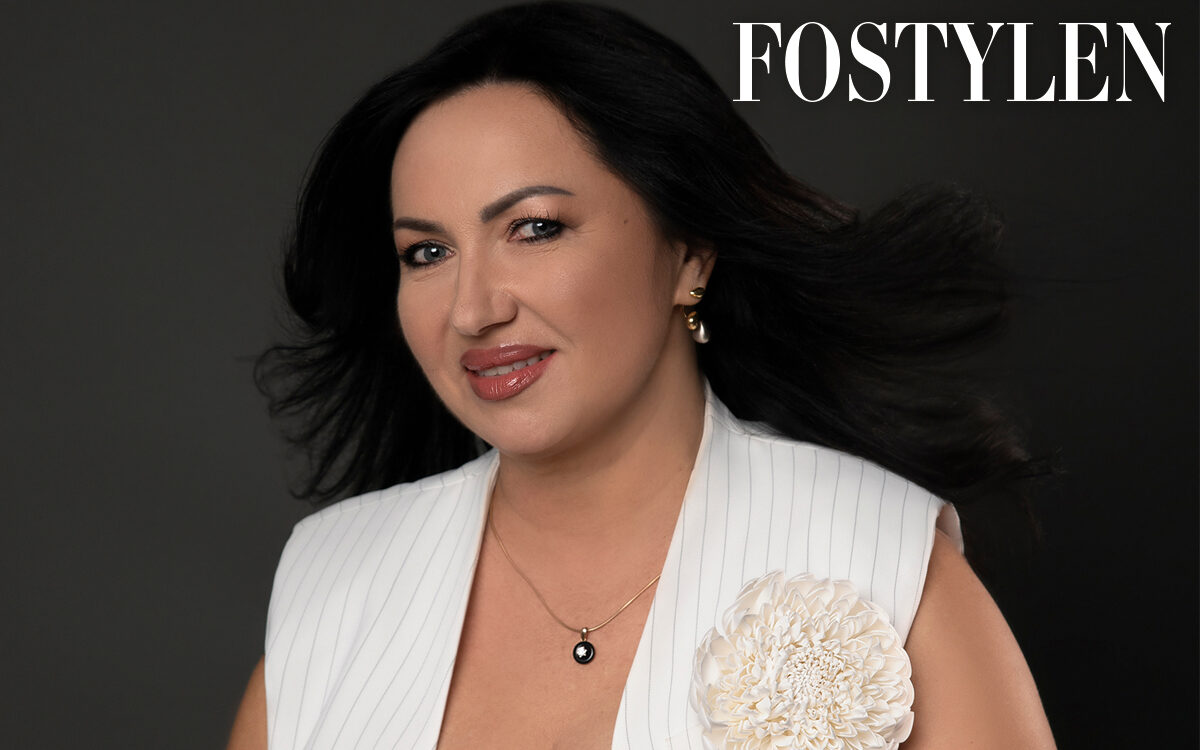
“Adapting to the American legal system required time and effort. My extensive experience in Ukrainian notarial practice provided me with a solid foundation of knowledge and skills. However, some aspects of the work here require a different approach due to differences in legislation and procedures.
The first challenge was familiarizing myself with local regulations and requirements for notarial activities. For instance, in Ukraine, notaries have broader powers, whereas in the U.S., notarial functions are primarily limited to verifying signatures. However, this also requires a high level of responsibility and accuracy, so I made it my mission to study local standards and obtain a Florida notary license thoroughly.
Another challenge was adapting to technological aspects. Remote online notary services are widely used in the U.S., enabling clients to receive services from anywhere in the country or even abroad. I quickly mastered these tools, as the remote format greatly simplifies the process for clients, especially those far from major cities.
My experience in Ukraine became the foundation for my professional activities in the U.S., and new knowledge and skills have allowed me to expand the scope of my services. I take pride in helping the Ukrainian community, preserving notarial traditions while adapting them to new conditions.”
How did you adapt your extensive Ukrainian notarial experience to the realities of the American legal system? What challenges did you face?
Adapting required an in-depth study of local rules and processes. The most challenging part was adjusting to the limited powers of notaries in the U.S., compared to the broader scope in Ukraine. At the same time, mastering technological tools, especially for remote services, was both a challenge and an opportunity for growth.

What are the main differences between working as a notary in Ukraine and in the U.S.?
The primary difference lies in the scope of authority. In Ukraine, notaries perform more legal actions, including drafting and executing property documents and registering ownership or businesses. In the U.S., notaries mainly verify signatures. Additionally, the U.S. strongly focuses on online notarial services, which are still underdeveloped in Ukraine.
How do you assist Ukrainians abroad with notarial matters remotely, and what documents are most frequently notarized?
I often use remote online notarization, which allows clients to access services regardless of their location. The most commonly notarized documents include various powers of attorney, affidavits, statements confirming facts, and documents related to inheritance.
How does the remote notarization process work, and how do you ensure the security and confidentiality of this process?
The online notarization process is conducted through a secure platform that complies with legal requirements. All sessions are recorded, with both audio and video logs maintained. Clients undergo thorough identity verification, ensuring the process is secure and confidential. My role is to ensure all procedures align with Florida state laws.
Can you share tips on how to make the apostille process faster and more efficient?
I recommend clarifying all requirements and preparing the necessary documents in advance. Attention to detail, such as correct formatting and whether translations are needed, is crucial. Timely contact with a notary significantly simplifies and accelerates the apostille process. Apostilles don’t happen “overnight,” but I aim to make the process as quick as possible for my clients.

How important is legal literacy in notarial services today? What motivates you to spread this knowledge among your clients and followers?
Legal literacy helps people avoid mistakes and risks, focusing on critical aspects, especially when dealing with documents. I’m motivated to educate people because knowledge is a tool that ensures safety and confidence in legal matters.
How does working in Ukraine differ from working as a notary in the U.S., and how does this experience benefit you in Florida?
In Ukraine, I gained a higher legal education and comprehensive notarial skills through years of practice, including document drafting and legal expertise. This background helps me serve clients in Florida who require a broader understanding of legal nuances, providing professional services at a high level.
How do you ensure the legal validity of documents notarized online, and are there any unique aspects of your work related to online notarization?
The legal validity of documents notarized online is ensured by adhering to all procedures required by Florida law. I use specialized secure platforms that enable clients to undergo identity verification, including document validation and biometric facial recognition. This guarantees that the person signing the documents is who they claim to be.


