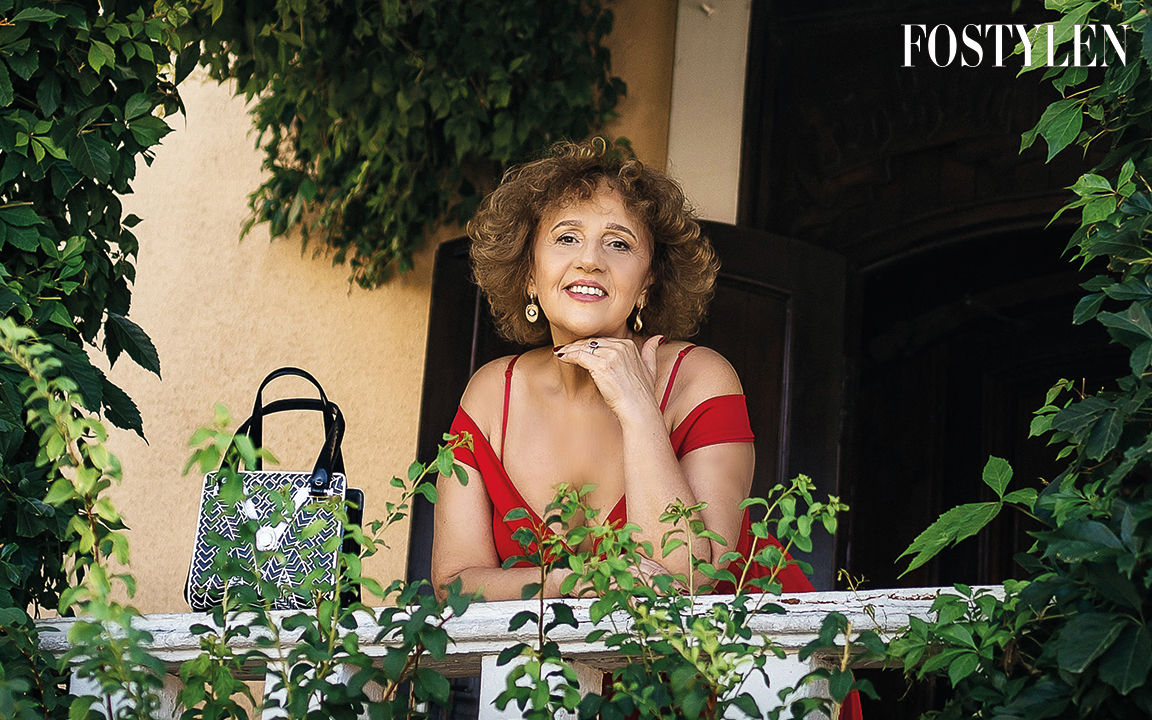
For more than 30 years, Tetiana Vilchynska has been building businesses at the intersection of entrepreneurship, creativity, and intuition. In 1994, she left a career in music to pursue textile design, later turning her own name into a brand, opening showrooms and a boutique hotel by the sea, investing in real estate, and developing an interest in the jewelry industry.
We spoke with Tetiana Vilchynska about the courage to start from scratch, the value of putting your own name behind a business, decisions shaped by both analysis and intuition, and the ability to turn ideas into tangible projects.
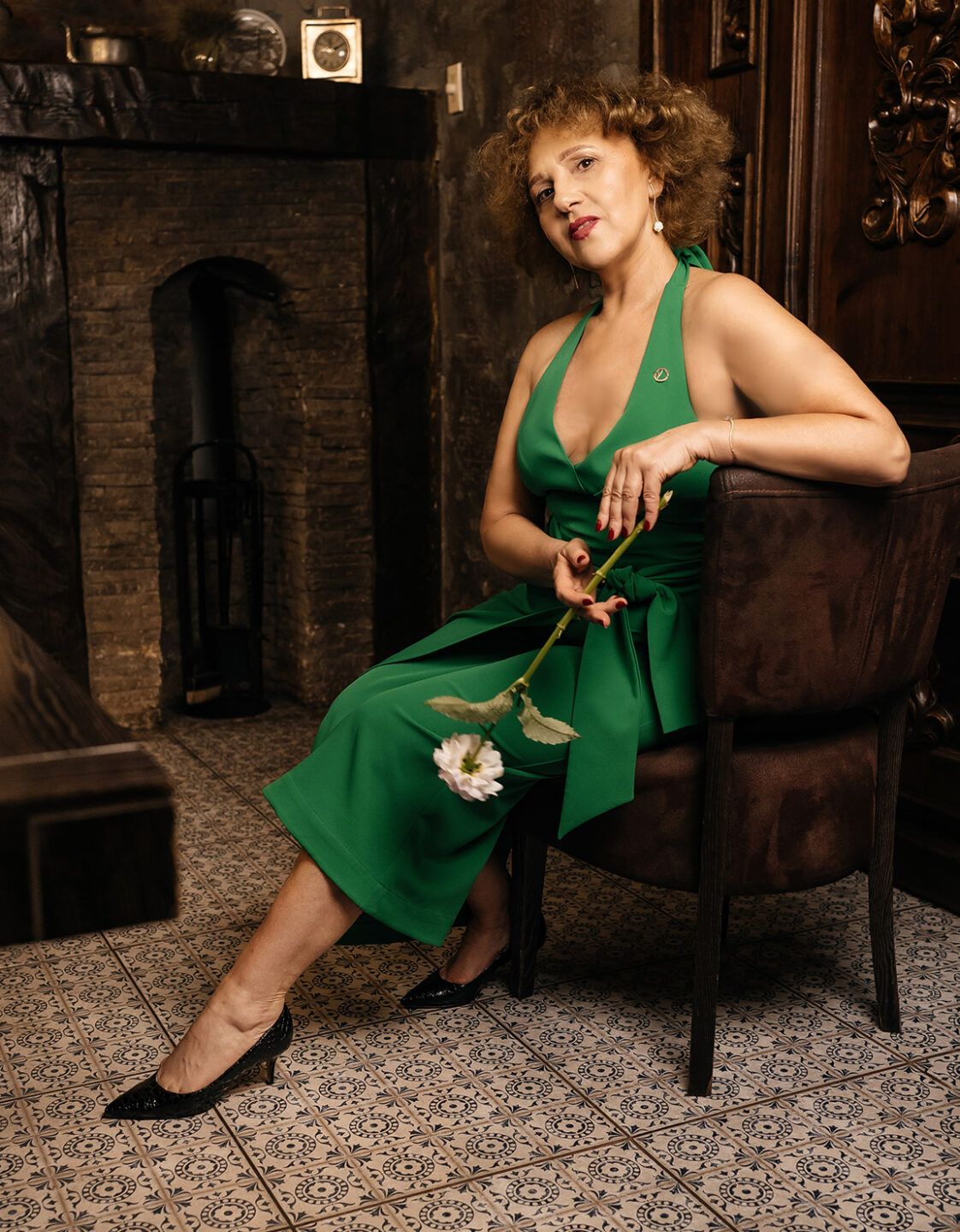
When perestroika began to reshape life in Ukraine, salaries were no longer enough to live on, even though I was working three jobs in the music industry. At some point, I realized I didn’t want to live that way anymore. When I was young, I had set myself a goal: to become well-known, financially secure, independent, and free. So I quit my job and started my own business.
When I opened my first showroom, my main goal was to bring my own ideas to life. We gained clients so quickly that our schedule was soon booked two to three months in advance. Later, I opened a second store, and the Tetiana Vilchynska Curtain Salon became a recognizable brand.
Over time, I realized that one direction would never be enough for me. Once an idea has been realized and the system is working, I want to move on to the next challenge. That is how the boutique hotel by the sea came about—another dream that became a reality.
Perhaps that is what I love most about business: you can imagine something that does not yet exist and then see it come to life. For me, it means momentum, growth, and freedom. It is life at its fullest. It is who I am.
The market is constantly changing along with people’s tastes. That means finding new suppliers, following trends, and reassessing your own approach. But if you spend all your time simply following the market, it is very easy to lose your identity.
I hesitated for a long time before naming the showroom after myself. I understood that by doing so, I was essentially putting my signature on every project. When your name is on the sign, it has to stand behind the result.
We focused on high-quality fabrics, exceptional craftsmanship, and original design solutions. I worked directly with factories in Istanbul and looked for manufacturers capable of bringing my own ideas to life. Escardin produced exclusive tulle for me based on my sketches, while Anka gave me access to curtains showcased at international exhibitions.
I was never interested in selling the same things people could find everywhere else. I wanted clients to come to us specifically for something they could not get anywhere else.
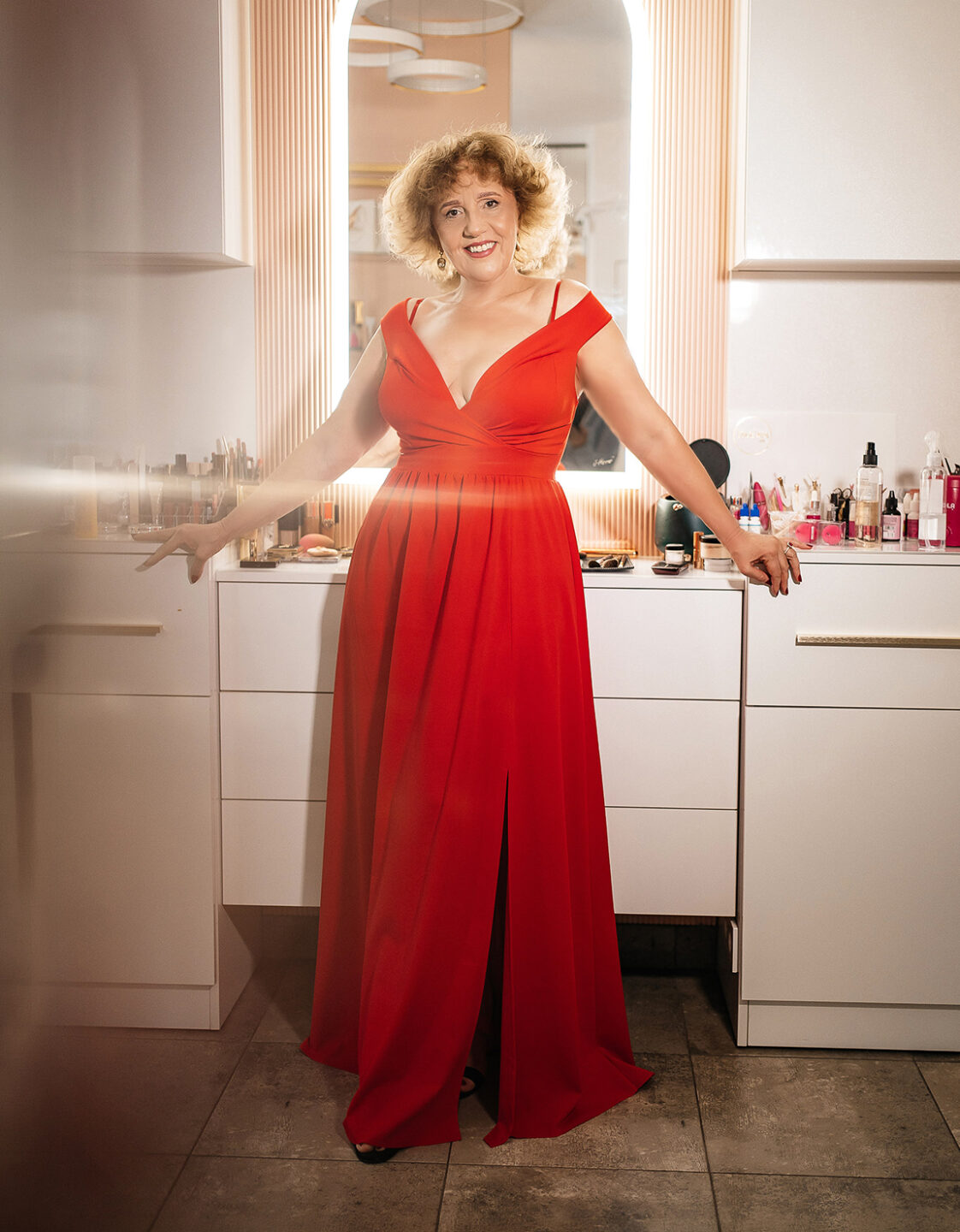
The 2008 financial crisis changed me the most. I sensed it coming intuitively: I terminated a real estate purchase agreement and postponed two major projects. Two weeks later, the dollar exchange rate shifted dramatically. Had I not stopped when I did, the consequences could have been very serious.
Before the crisis, the showroom had orders booked two months in advance. By 2009, there were almost no clients. Prices had risen, and people were postponing major purchases. For me, it was the moment when a successful business suddenly stopped feeling like something I could take for granted.
Since then, I have always kept a financial cushion. I separated funds for business development, personal expenses, travel, and investments, and I never mixed those budgets. That discipline later helped me navigate both the pandemic and the start of Russia’s full-scale invasion of Ukraine.
But some decisions cannot be made based on numbers alone. At the end of 2021, I decided against investing in a profitable real estate property, even though the numbers looked good. A few months later, the war began. Over the years, I have learned to take my instincts seriously, even when I cannot immediately explain them logically.
It is easy to get me excited about a new idea, but much harder to convince me to invest money in it. Before I do, I study the market, demand, and the direction in which the industry is moving.
Textile design is a good example. There was a time when clients chose valances, heavy curtains, and layers of tulle. Today, they gravitate toward roller shades, blinds, open spaces, and solutions that require less maintenance. You can love a particular aesthetic, but a business cannot ignore the way people’s lives are changing.
The same was true with real estate. I explored opportunities in Montenegro, Spain, and Poland, but ultimately chose a project in Ukraine that, at the time, seemed the most interesting to me.
Gemstones didn’t start as a business for me at all. They were a personal passion. For nearly ten years, I studied the field and spoke with jewelers, gemstone dealers, and jewelry manufacturers. I like to immerse myself in a world that fascinates me, understand it from the inside, and only then consider whether it could become the foundation for a new project.
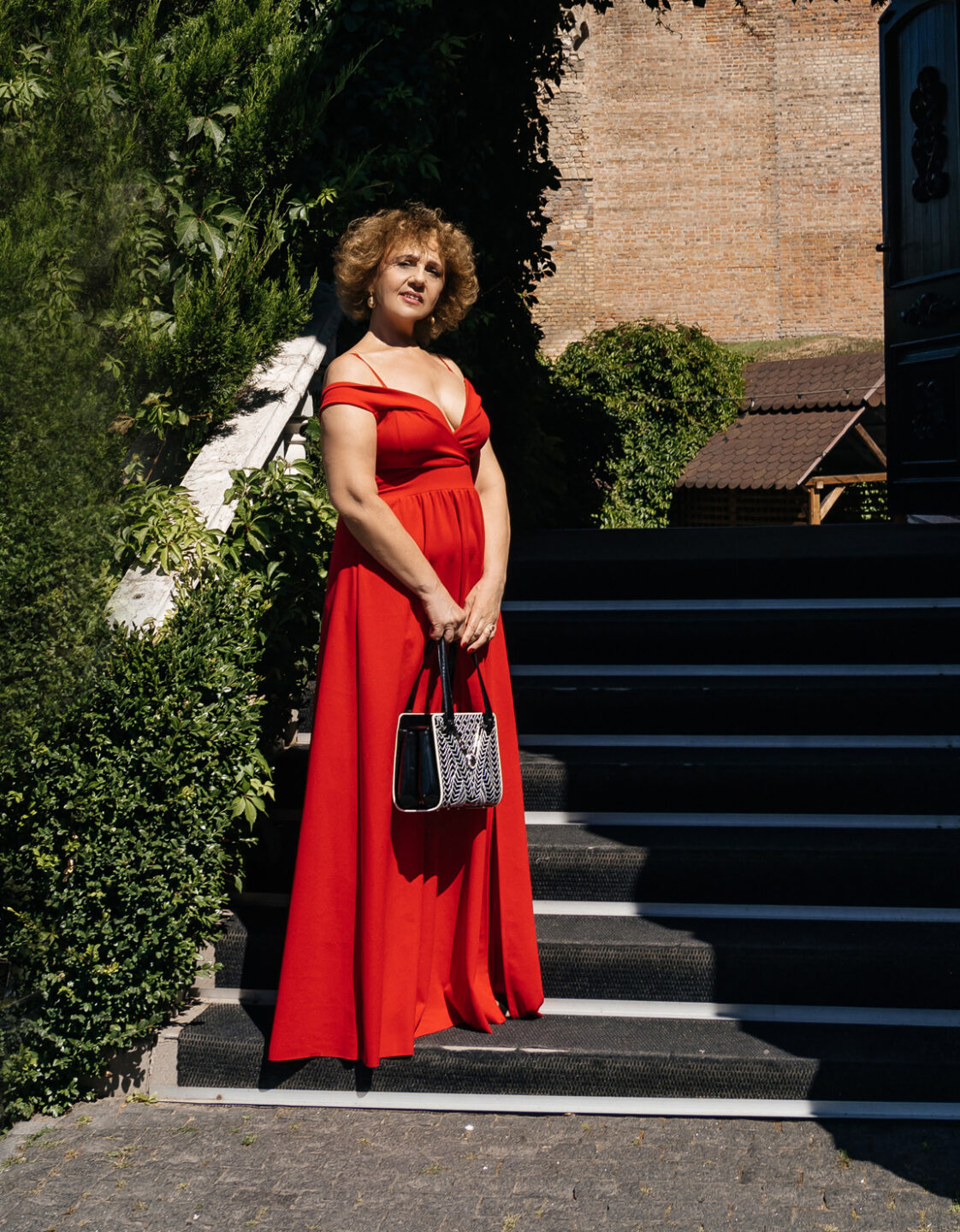
Visibility creates opportunities: people find you faster, see your work, and understand who stands behind it. But greater recognition also brings greater responsibility.
Reputation has enormous value to me. It takes years to build and can be lost very quickly. I am used to being honest and open, and when it comes to matters of principle, I do not compromise, even if that makes some people uncomfortable.
Money can be earned again. Trust is much harder to rebuild. That is why, for me, putting your own name behind a business means taking responsibility for what you do and what you leave behind.
Do not be afraid to start, but first answer two questions honestly: What do you want, and how much are you willing to do to make it happen?
Study the market and your competitors, determine the resources you will need, and calculate your costs and risks. And never put absolutely everything you have into a single project. I always keep a financial cushion because in business, you can never anticipate every possible scenario.
I have one more rule: analysis should happen before the decision is made. You can spend time running the numbers, questioning your assumptions, and listening to your instincts. But once the decision has been made, you need to act. Otherwise, even the best idea will remain just that—an idea.
Photographer: Kateryna Arendarchuk
Makeup: Zimoha Beauty Space, makeup artist Sofia
Location: Korona Vitovta