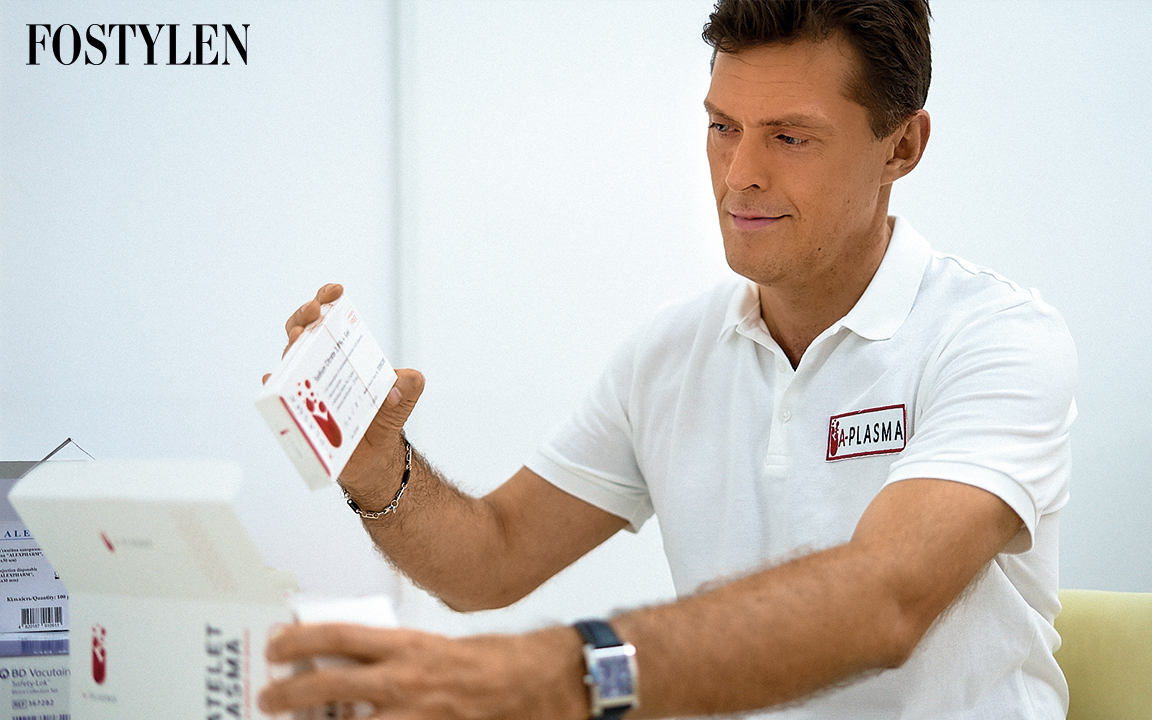
Volodymyr Ivanyshchev has worked in medicine for more than 30 years. Over the course of his career, he has witnessed a profound technological transformation in the field—from the limited diagnostic capabilities of the 1990s to today’s advanced laboratory testing, regenerative medicine, and genetic technologies. Yet for him, the central question remains not only how far medicine has come, but how people choose to use these possibilities. In this interview, we discuss prevention, the future of dermatology, professional trust in physicians, the influence of social media on our perception of appearance, and the everyday decisions that shape both quality of life and longevity.
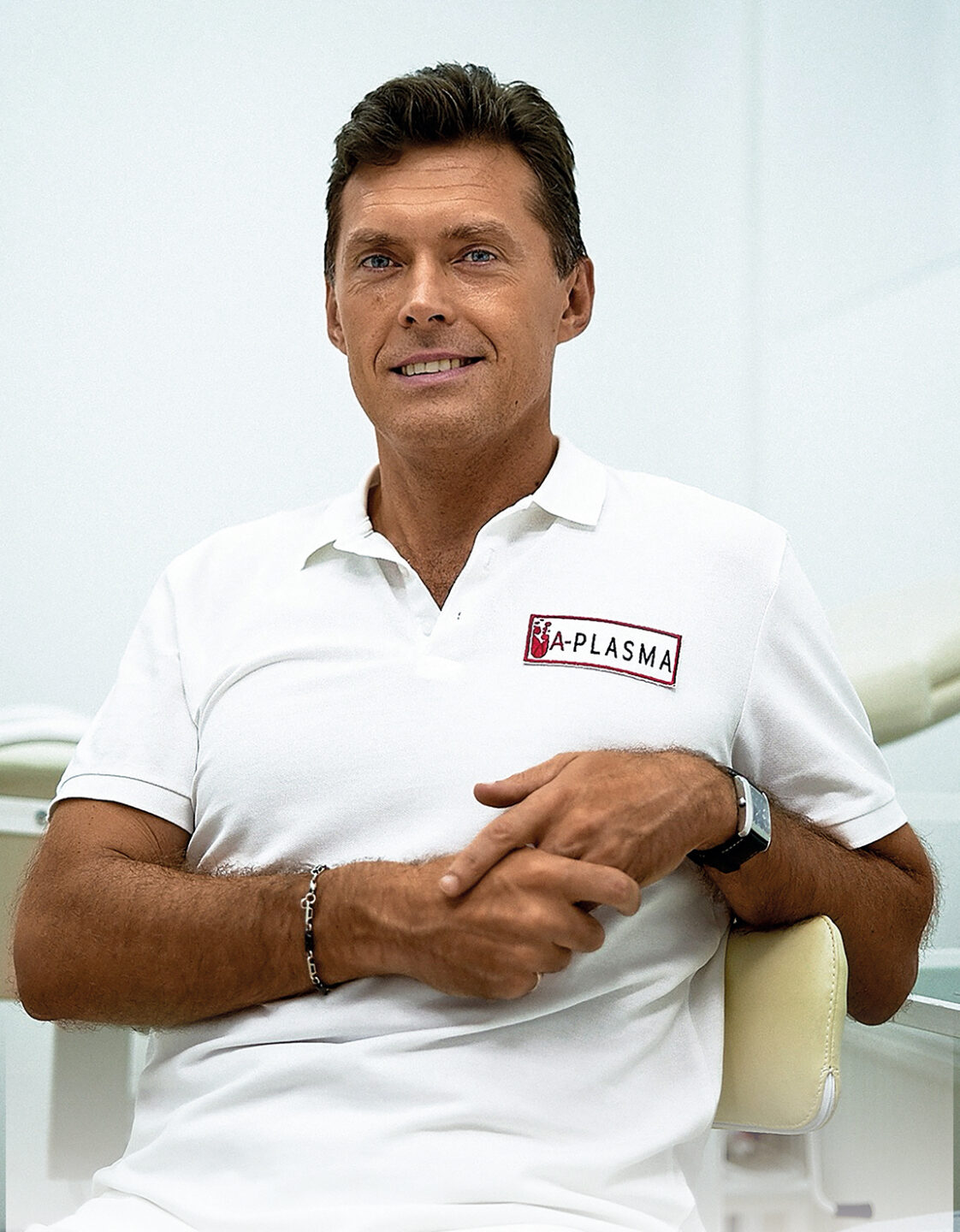
Over the past three decades, medicine has made an extraordinary technological leap. When I graduated from medical school in 1994, a single MRI machine could effectively serve an entire region. Today, the capabilities of diagnostic imaging and laboratory testing are fundamentally different. What once seemed almost unimaginable—working with stem cells and genetic technologies—has become part of modern science and medicine.
Yet technological progress alone has not solved the broader challenges surrounding public health. I consider excess calorie intake and physical inactivity, along with the associated issues of excess weight and obesity, insulin resistance, and diabetes, among the most underestimated challenges we face today. To a significant extent, these conditions are linked to lifestyle: insufficient physical activity, dietary habits, and the consumption of ultra-processed foods.
Dermatology encompasses an enormous number of conditions, and the origins of some of them are still not fully understood. This includes psoriasis, eczema, neurodermatitis, and a range of other disorders.
I expect further advances in laboratory and biochemical diagnostics, which will allow us to identify internal factors associated with skin health with greater precision. Metabolic, endocrine, and immune processes, as well as gastrointestinal function, can all play a role in the course of dermatological conditions.
The next major step will be gaining a deeper understanding of these connections and identifying specific biomarkers and mechanisms. This could allow us to determine the underlying causes of chronic, recurrent skin conditions with greater precision and develop more effective approaches to treatment.
I cannot say that one particular case radically changed my professional principles. I come from a generation of physicians trained in clinical reasoning and individualized patient care, and those principles remain fundamental to the way I practice medicine.
There is, however, one case I remember particularly well. About five years ago, a patient came to me for a comprehensive medical evaluation, during which we identified abnormalities in carbohydrate and lipid metabolism. We have continued working together ever since. Approximately twice a year, she undergoes comprehensive examinations and checkups. Over that time, there have been periods of significant improvement as well as setbacks, requiring us to adjust our approach and consider consultations with other specialists.
Ultimately, we achieved a very good result, and our work together continues to this day. What I value especially is the trust she has maintained in me as her physician throughout these years. She remains one of my most loyal patients. For me, this experience has reinforced how essential trust between physician and patient, long-term collaboration, consistency, and a willingness to adjust the strategy as circumstances evolve can be when managing chronic conditions. Results may not come quickly, but that does not mean we should stop searching for the right solution.
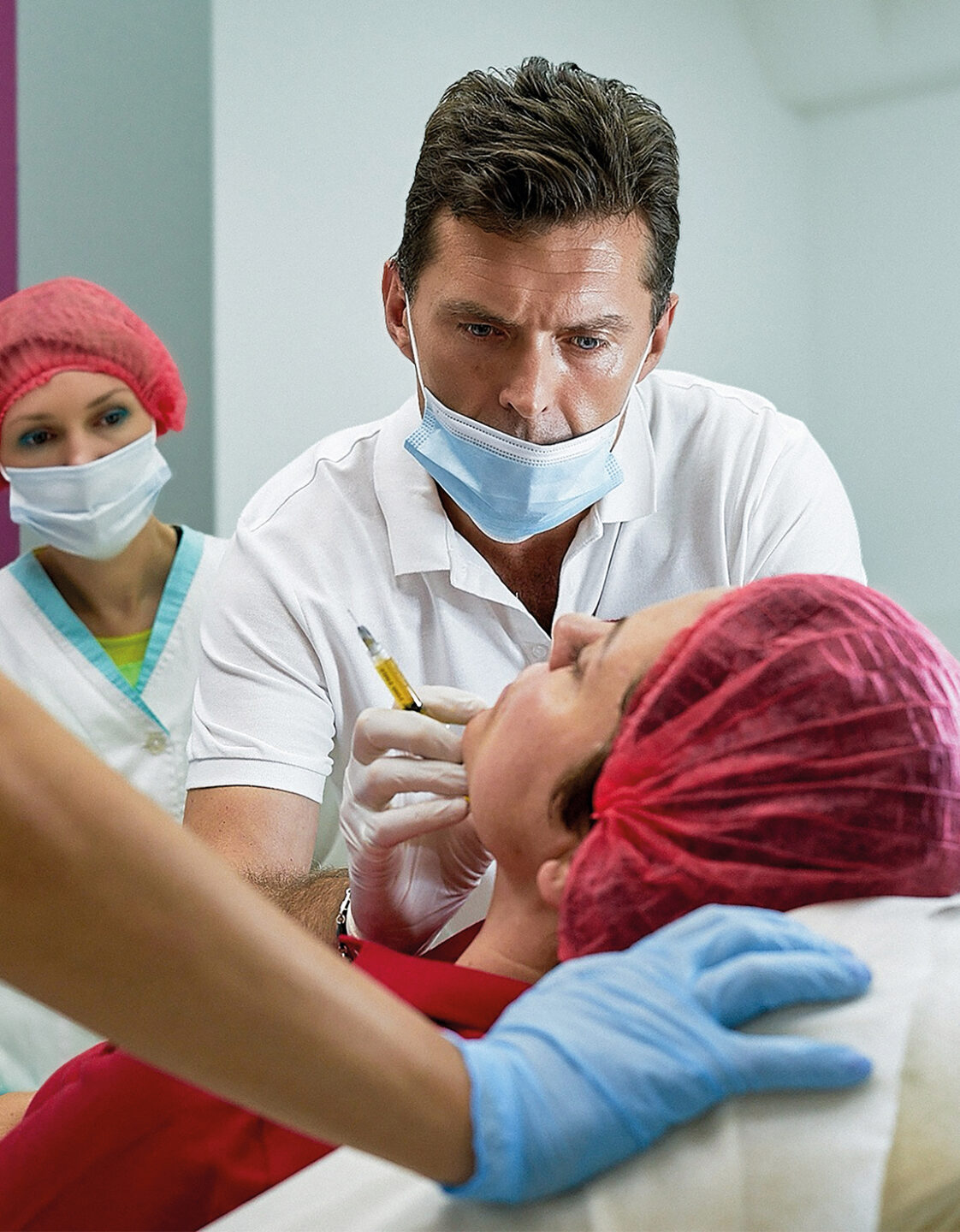
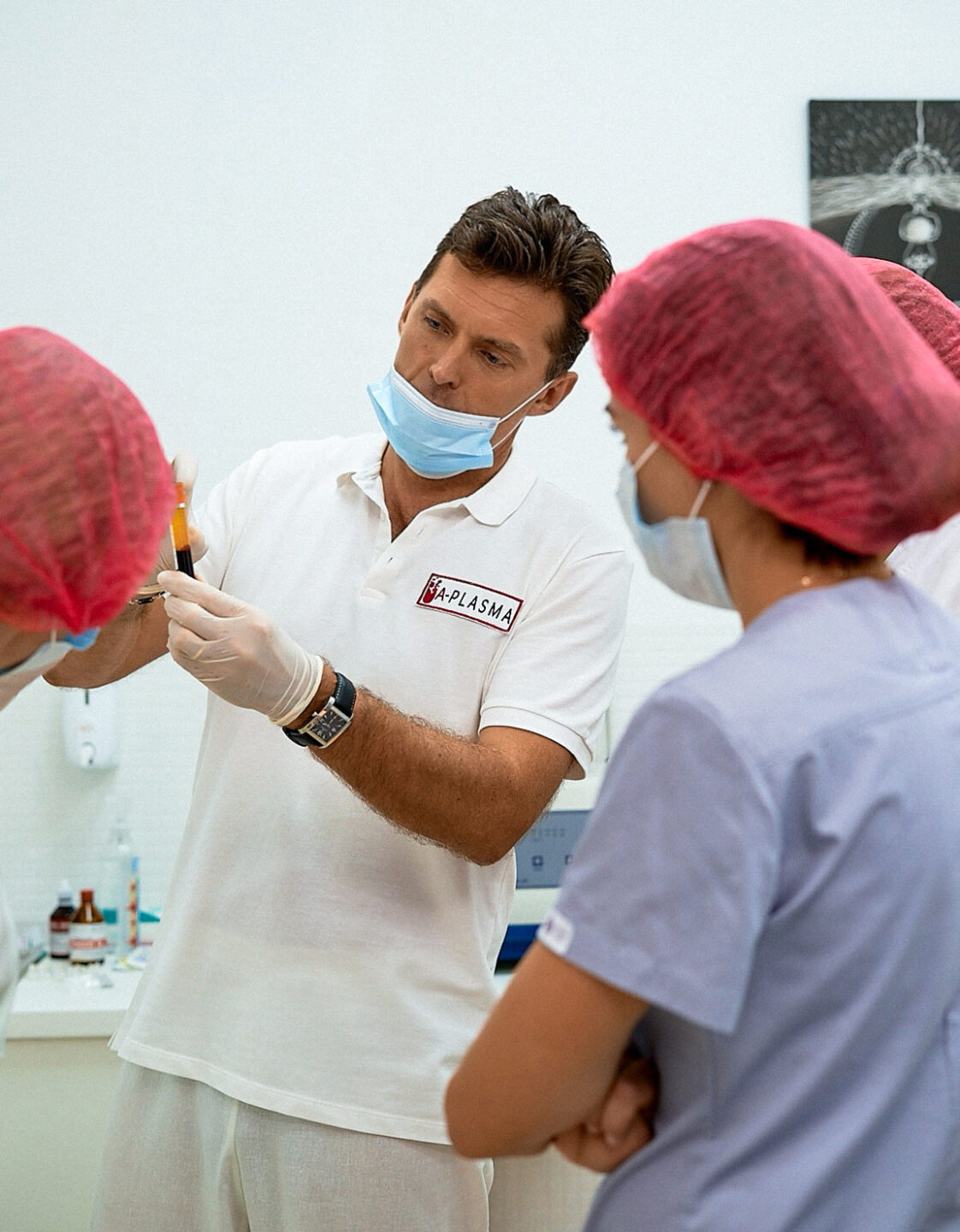
Among modern injectable treatments, I prefer plasma therapy. Because it uses the patient’s own biological material, it offers a high degree of biocompatibility and a minimal risk of allergic reactions. PRP and fibrin-based preparations work locally and stimulate the body’s natural tissue-repair processes. Interest in regenerative medicine continues to grow worldwide.
Botulinum toxin treatments and fillers can also be effective when certified products are used, dosages are appropriate, and procedures are performed by a qualified physician. At the same time, residual filler material—including chemical compounds and cross-linking agents used in their formulations to provide structural stability—can remain in the tissues for extended periods. Excessive use of fillers may lead to swelling, product migration, and what is known as overfilled face syndrome.
A significant part of the responsibility for our health and longevity is in our own hands. Physicians most often become involved once a problem has already developed, while many of the decisions that affect our health are choices we make ourselves every day.
Nutrition, physical activity, sleep, living conditions, our environment, and regular preventive care form the foundation of long-term health. Medicine can diagnose, treat, and help manage disease, but it cannot fully compensate for lifestyle.
So my main message is very practical: take a conscious approach to your health. Pay attention to what you eat, stay physically active, prioritize sleep, undergo regular preventive screenings, and do not wait until your body forces you to pay attention.