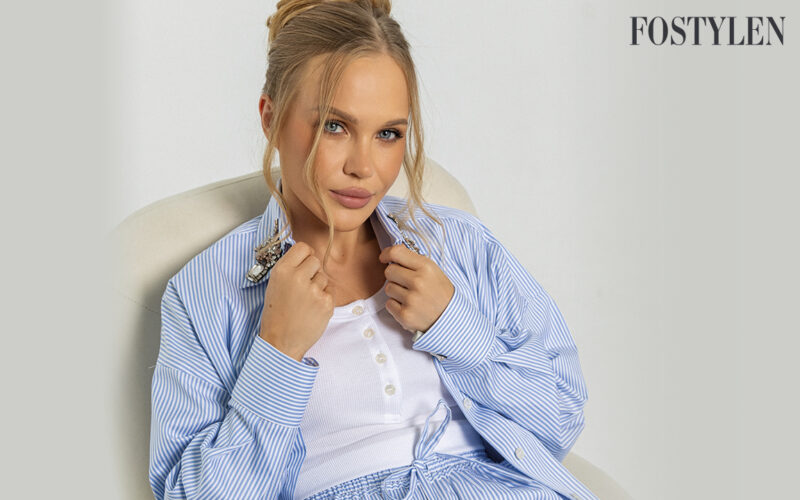
Mariia Vynogradova speaks about motherhood without idealization, yet with deep tenderness. For her, being a mother is not only about caring for a child—it is about daily presence, emotional engagement, and a conscious choice to be there.
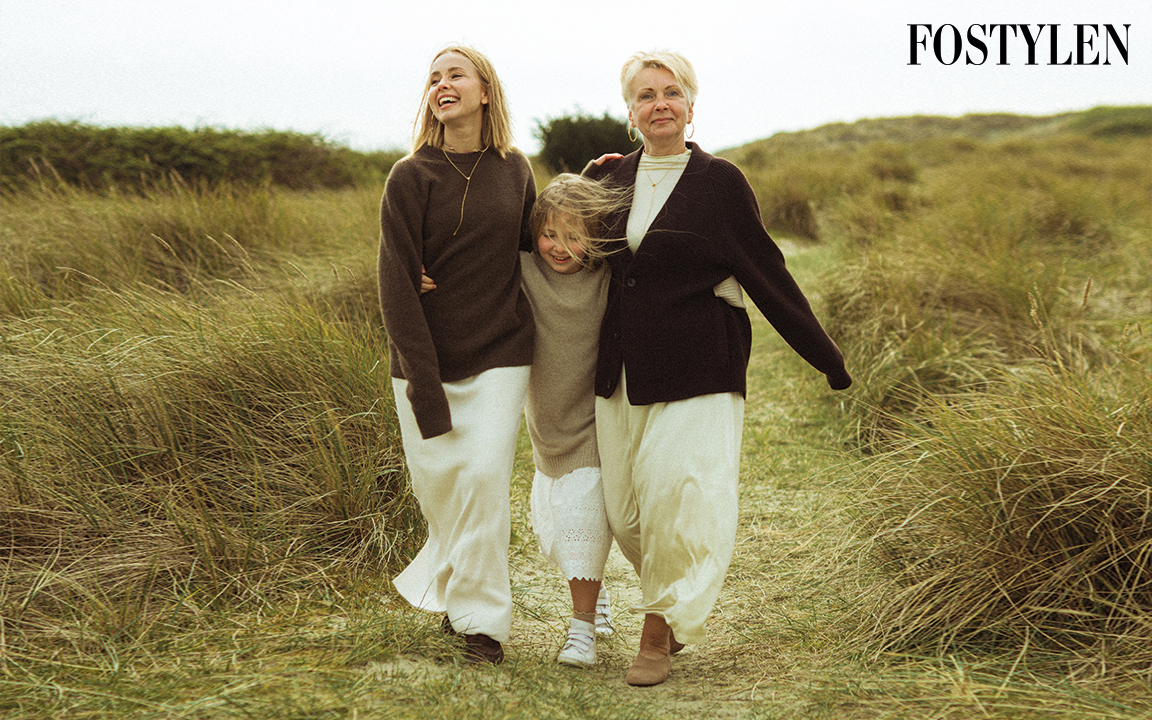
She reflects on her own childhood, reconsiders her mother’s life choices, and openly shares what she hopes to pass on to her daughter, Maya: freedom of thought, the right to have a voice, a sense of safety, and the strength of family connection.
This interview explores three generations of women, different models of happiness, motherhood without the myth of perfection, and a form of love that becomes deeper, more precise, and more mature with time.
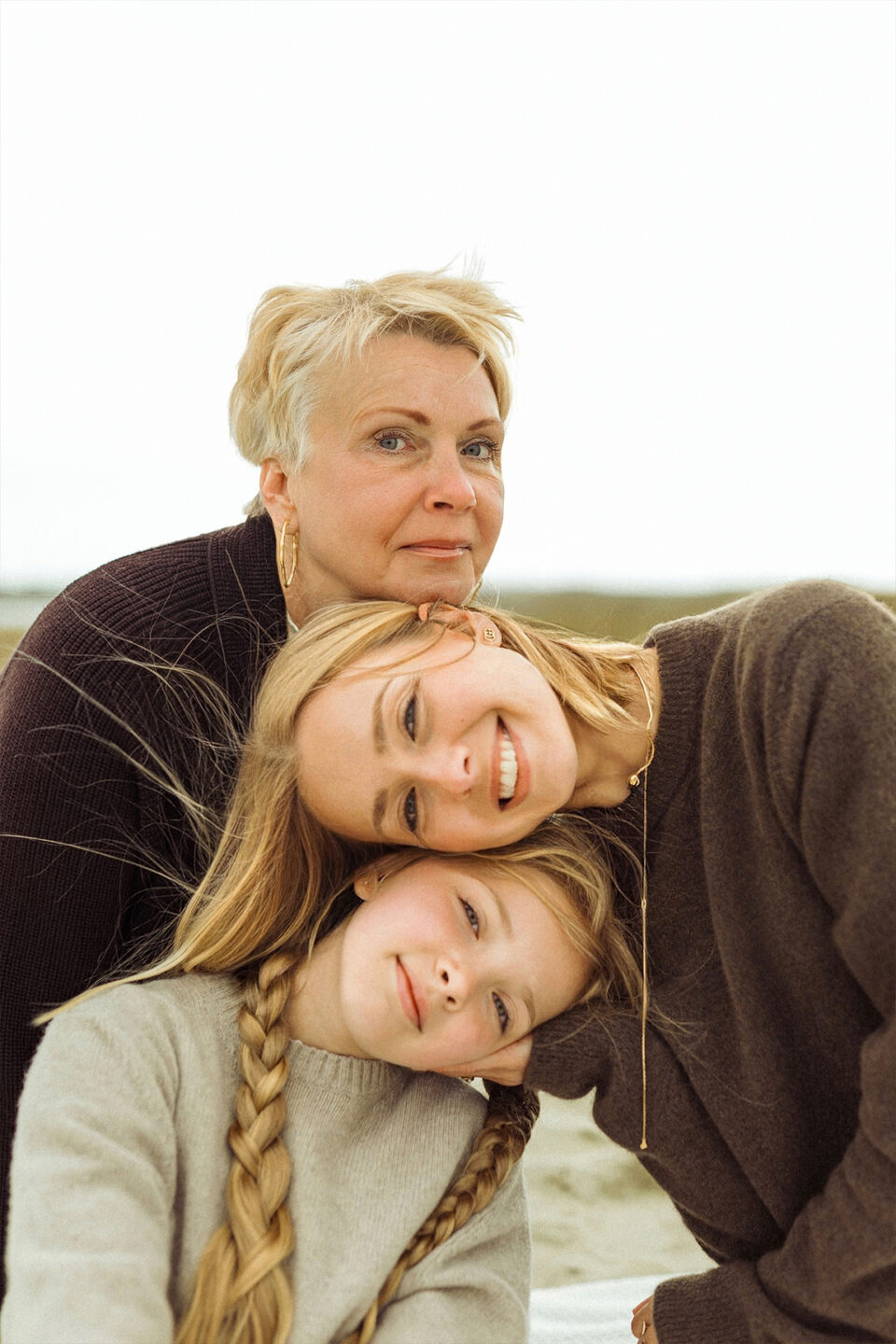
How has your understanding of motherhood changed from when you were a daughter to becoming a mother yourself—and what has remained constant?
As a child, it seemed to me that my mother “didn’t work” because she was almost always at home. She made attempts to pursue work, but ultimately returned to the family, and at the time I didn’t fully understand what stood behind that daily presence.
Becoming a mother, I realized something essential: motherhood is a full-time job—perhaps the most important one in a woman’s life if she has a child.
I became aware of how much time, energy, and internal resources it takes to give a child the very best. And this time isn’t something you simply “find”—you consciously allocate it, taking it away from other parts of your life.
When a child is small, motherhood is about physical presence: holding them, feeding them, putting them to sleep, caring for them. But as they grow, another equally important dimension emerges—deep communication, friendship, supporting their interests, spending time together, conversations, driving them to activities, and those moments when I am truly present and engaged in her life.
While some practical aspects can be supported by a nanny or a grandmother in early childhood, emotional connection, trust, and genuine closeness between mother and child cannot be delegated. That responsibility is mine.
What has remained unchanged is the core meaning of motherhood: love and the sense of safety a mother gives her child. With time, I’ve simply come to understand how much strength and daily effort stand behind that love.
Looking at three generations—your mother, yourself, and your daughter—what is the key difference in how each of you builds your life?
The biggest difference lies in the sense of freedom.
My mother grew up in the Soviet Union—a world filled with limitations, not only external but internal. The world felt vast, complicated, and often inaccessible.
I was born in the USSR but grew up in the 1990s—a time of change, open borders, new opportunities, and a growing sense that you could shape your own life.
My daughter Maya was born into an entirely different reality—a world of gadgets, AI, the internet, global thinking, and technologies that once seemed like science fiction. For her, the world is open by default.
I see how differently each generation experiences this world. Compared to my mother, I feel much freer. But my daughter is even freer than I am. She has fewer fears, fewer internal limitations. She naturally assumes she can live, study, work, and realize herself anywhere in the world.
The key difference between our generations isn’t in values or emotions. Love, care, and the desire to be happy remain constant. The difference lies in how we perceive the world and our place within it.
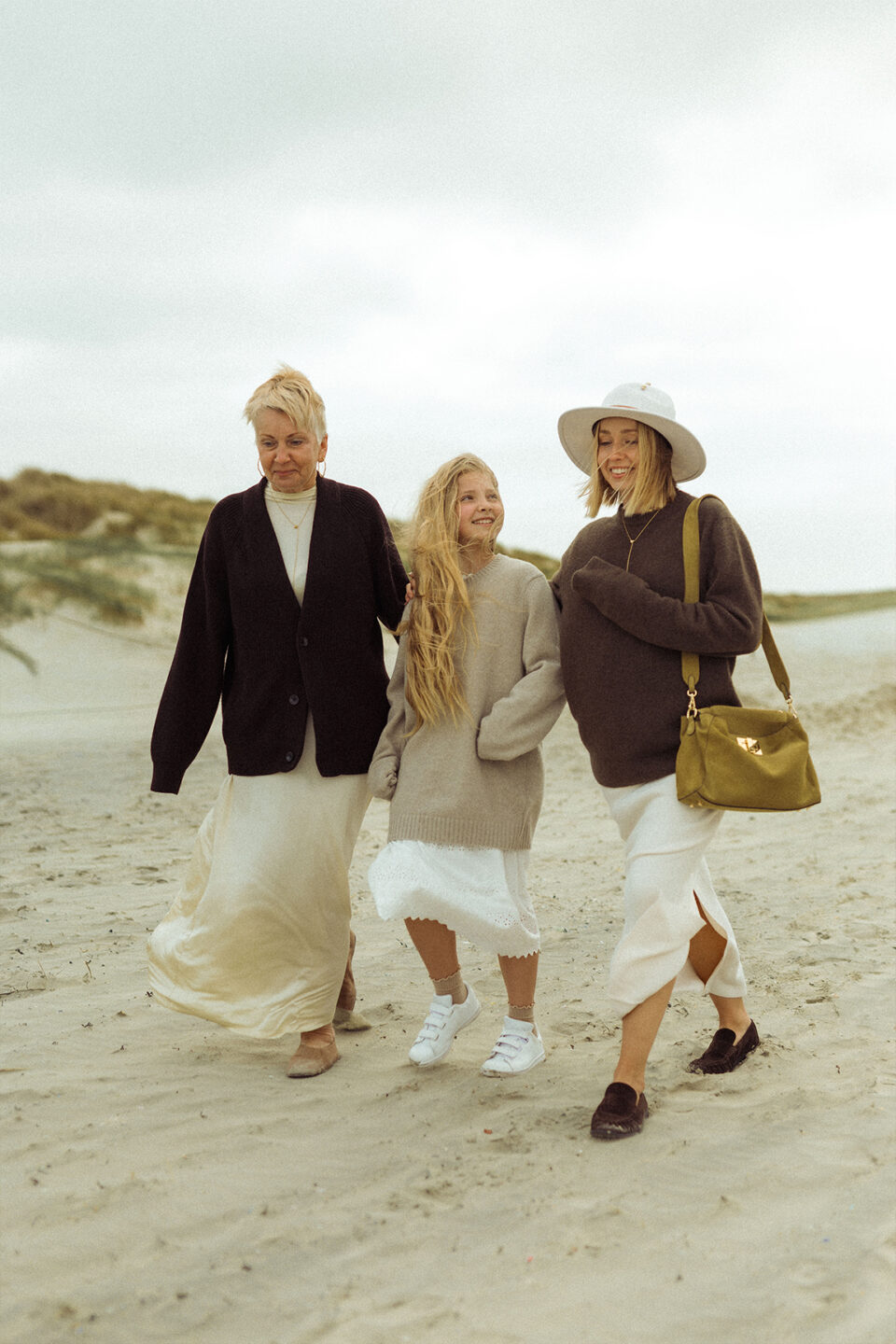
Which values do you consciously pass on to your daughter, and which ones have you chosen to reject—even if they were part of your upbringing?
There are things I’ve consciously decided not to pass on, even though I grew up with them. Our generation was largely raised on Soviet and post-Soviet mindsets: “don’t stand out,” “be like everyone else,” “keep your head down,” “initiative is punished,” “what will people say.”
These ideas instilled fear—fear of being visible, bold, ambitious.
I heard them too. But I’m grateful that at some point, I allowed myself to step forward—to live the way I want, not the way that is convenient for others.
That’s exactly what I don’t want to pass on. I believe a child should have the freedom to explore different paths, search for herself, change interests, make mistakes, and through that process understand who she truly is.
What I do pass on consciously is the value of family and intergenerational connection. It matters deeply to me that she has warm relationships with her grandparents and that she had the chance to connect with her great-grandmother.
I want her to know that family is about support—a safe space where you are loved as you are.
And most importantly, I want her to grow up knowing her voice matters, and that she doesn’t need to shrink herself to be “convenient” for the world.
Your life involves public visibility, events, and an international environment. How does motherhood evolve within that rhythm, and what remains your anchor?
I don’t think it’s so much about public life or an international pace, but about balance between career and family. Every mother has her own work—the difference lies in how and where she spends time outside the home.
I feel fortunate that what I do genuinely brings me joy. It can be exhausting—emotionally or physically—but I’ve never doubted that I’m doing what I love.
Finding work that truly fulfills you is a rare reward.
It’s important to me that my daughter sees this—not just a mother who works a lot, but one who enjoys her work, the people, the process, what she creates.
I hope this shapes her understanding that work isn’t only about money or obligation—it can also be about fulfillment, meaning, and self-realization.
I would love for her to find something that lights her up—because when you do what you love and build your life through it, it’s a very special feeling.
Still, my anchor remains my family. No matter the events, flights, meetings, or evenings out, home brings me back to the present.
I can come home late, hug my daughter, breathe in the scent of her hair—and it grounds me instantly. In those moments, I clearly understand that she is one of my main pillars in life.
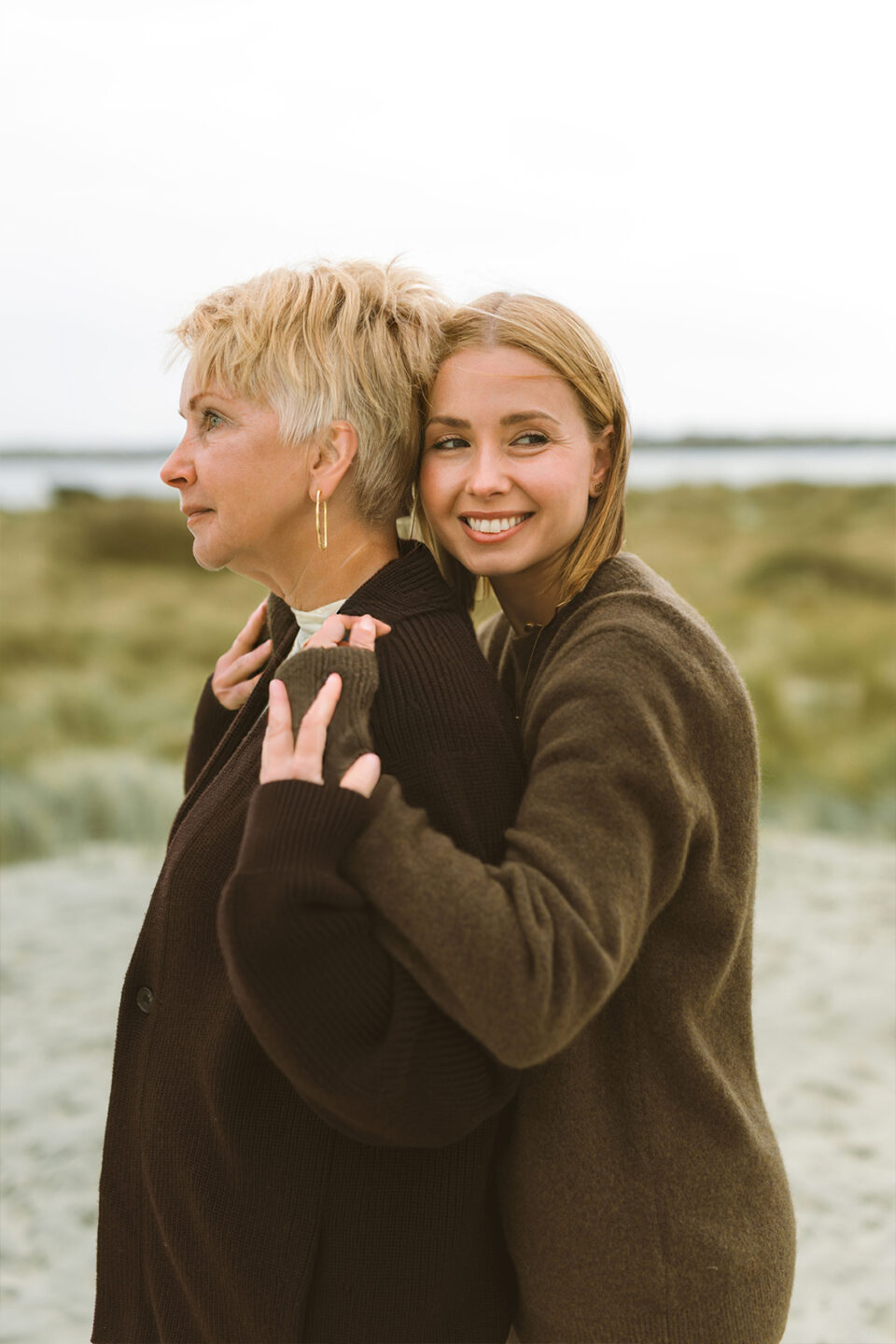
What moment in your relationship with your mother are you rethinking today from the perspective of an adult woman and a mother?
Most of all, I’ve rethought my mother’s life choices.
When I was growing up, it seemed like she was “just staying at home.” I saw it as something I wanted to move away from. I decided early on that I would be independent, build a career, and realize myself professionally.
I started working in my second year of university, and since then, I’ve hardly had breaks from work.
Only later, as an adult and a mother, I saw her story differently. It wasn’t a lack of ambition or weakness—it was a conscious choice.
She truly wanted that life: her husband working and providing, while she focused on the home, on me, on her comfort, living at a pace that felt right for her.
What’s remarkable is that despite financial dependence, their relationship was always built on love, respect, and partnership. I never saw her being devalued for not working.
Before, I couldn’t see this clearly—I was looking through my own lens. I believed happiness was tied to constant movement, work, achievement.
Now I understand people are different. Some need that pace and professional realization, like I do. Others find true happiness in a quieter, more domestic life.
The key realization for me is that my mother built the life she wanted. And that is also a valid form of female fulfillment.
Are there family traditions or rituals that connect three generations of women—and how do they shape your sense of home, regardless of place?
To be honest, my childhood didn’t include many consistent family traditions. Even now, it feels a bit unusual—but it is what it is.
The one thing that truly repeated every year and became part of my warmest memories is Easter. We would go to Chernihiv, where my grandparents and extended family lived.
At five in the morning, we’d all go to church to bless Easter cakes, and then spend the entire day visiting each other, eating, playing traditional egg games, and simply being together.
Easter remains the only holiday that truly feels like a family tradition to me.
Another thing I’m grateful to my parents for is that every summer, we went to the sea. First Crimea, later Turkey—but summer without the sea almost never happened.
Now I understand those weren’t just trips—they were a way of creating shared memories.
Today, I consciously create traditions for my daughter.
For example, it’s important to me that we sit at the table without phones—just talk, listen, share our day.
We also have a bedtime ritual called “five gratitudes,” where we each name five things we’re thankful for that day.
They can be small moments, but they teach you to notice the good.
I believe these rituals create a sense of home—not as a place, but as an atmosphere where you feel heard, loved, and surrounded by small, recurring moments of warmth.
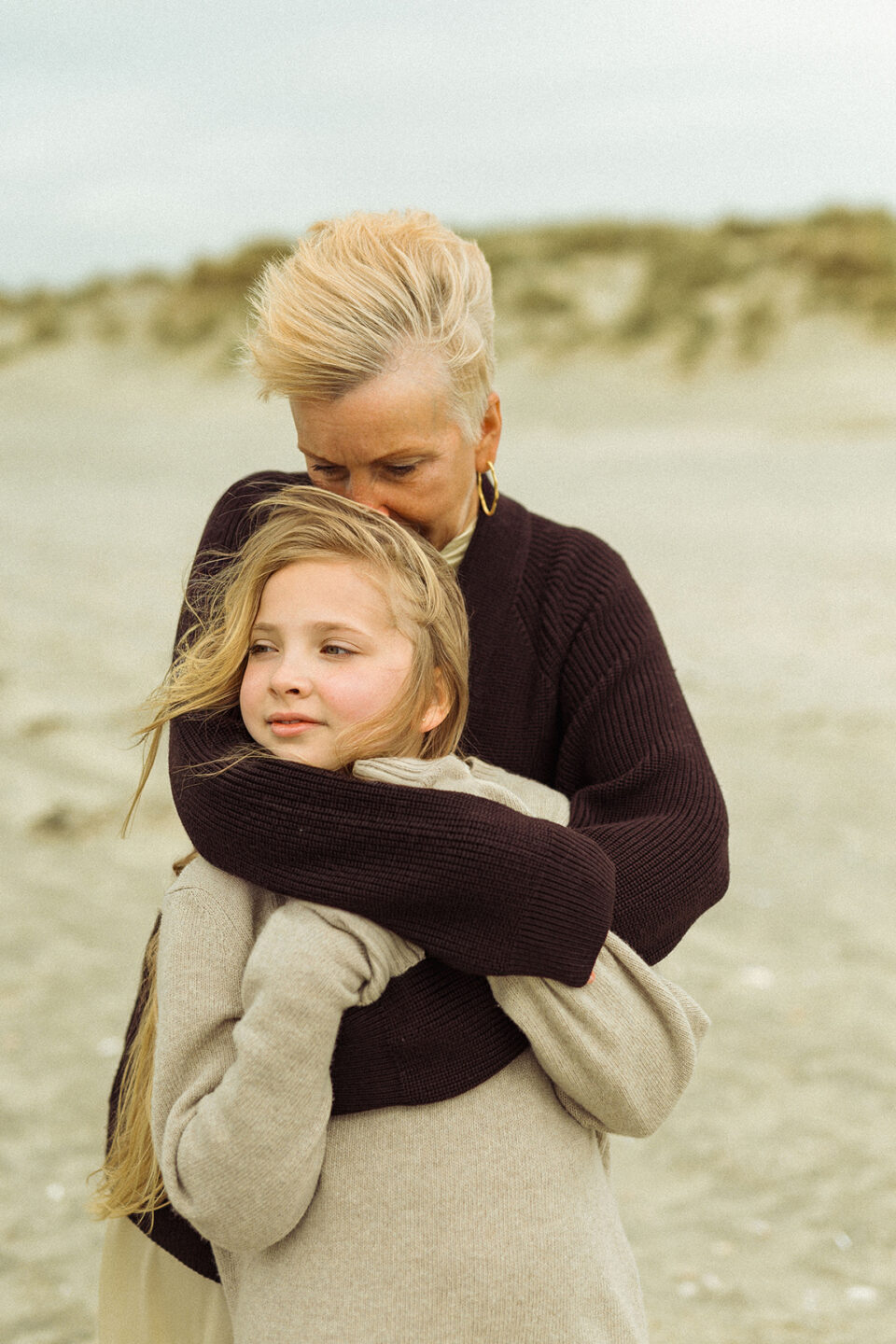
How would you want your daughter to describe you years from now—not as a public figure, but as a mother?
I know I’m not a perfect mother. None of us are. There will always be mistakes, moments children might later discuss with a therapist.
But I want her to carry from our relationship as much love, support, and inner confidence as possible—not fear or trauma.
More than anything, I would want her to describe me as a friend. Not just a mother, but someone she can be herself with—someone she can speak to honestly, share anything with, and know she won’t be judged.
I consciously try to build our relationship through trust, conversation, humor, and the feeling that she can always come to me with anything.
And I hope that as she grows, she will feel both love and friendship toward me.
Photos by klymentieva.v