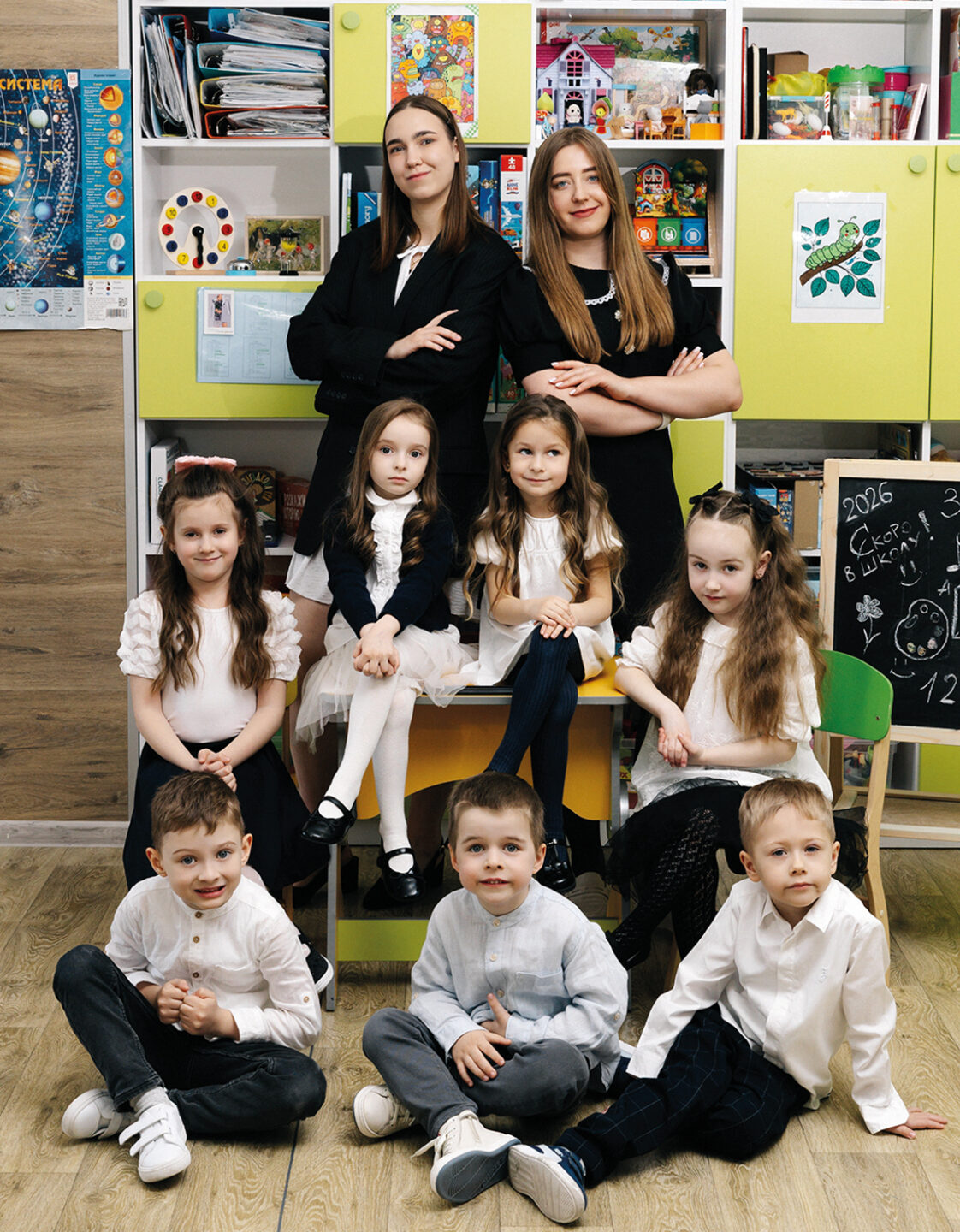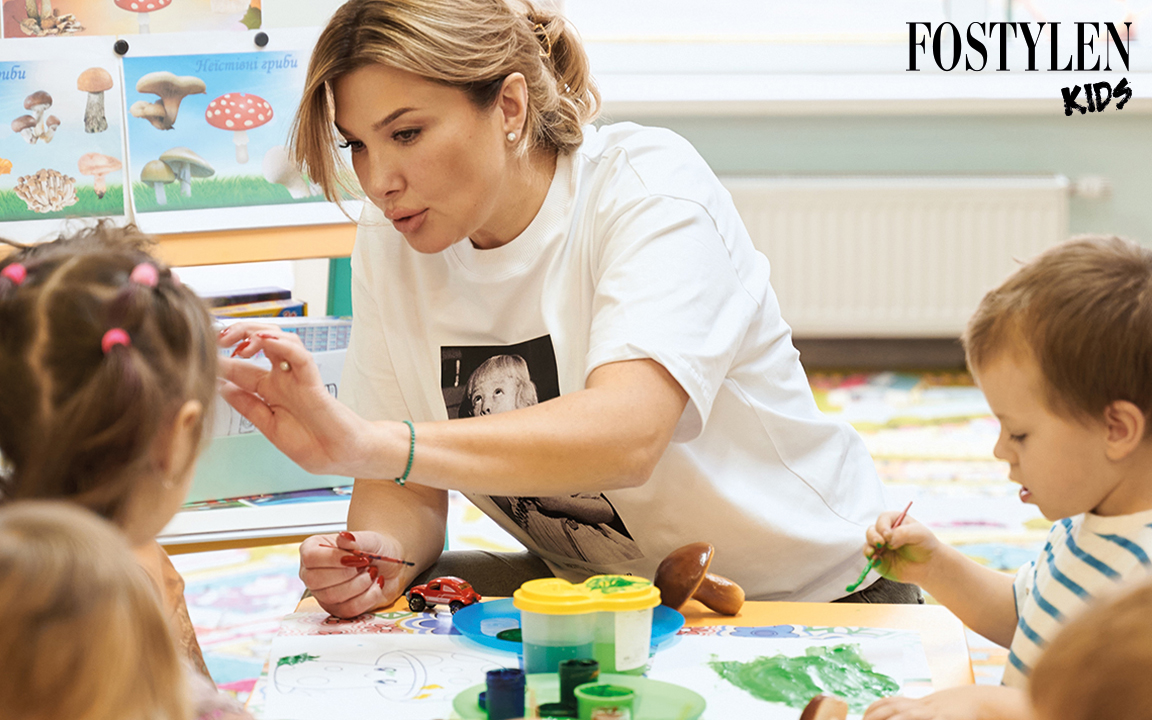
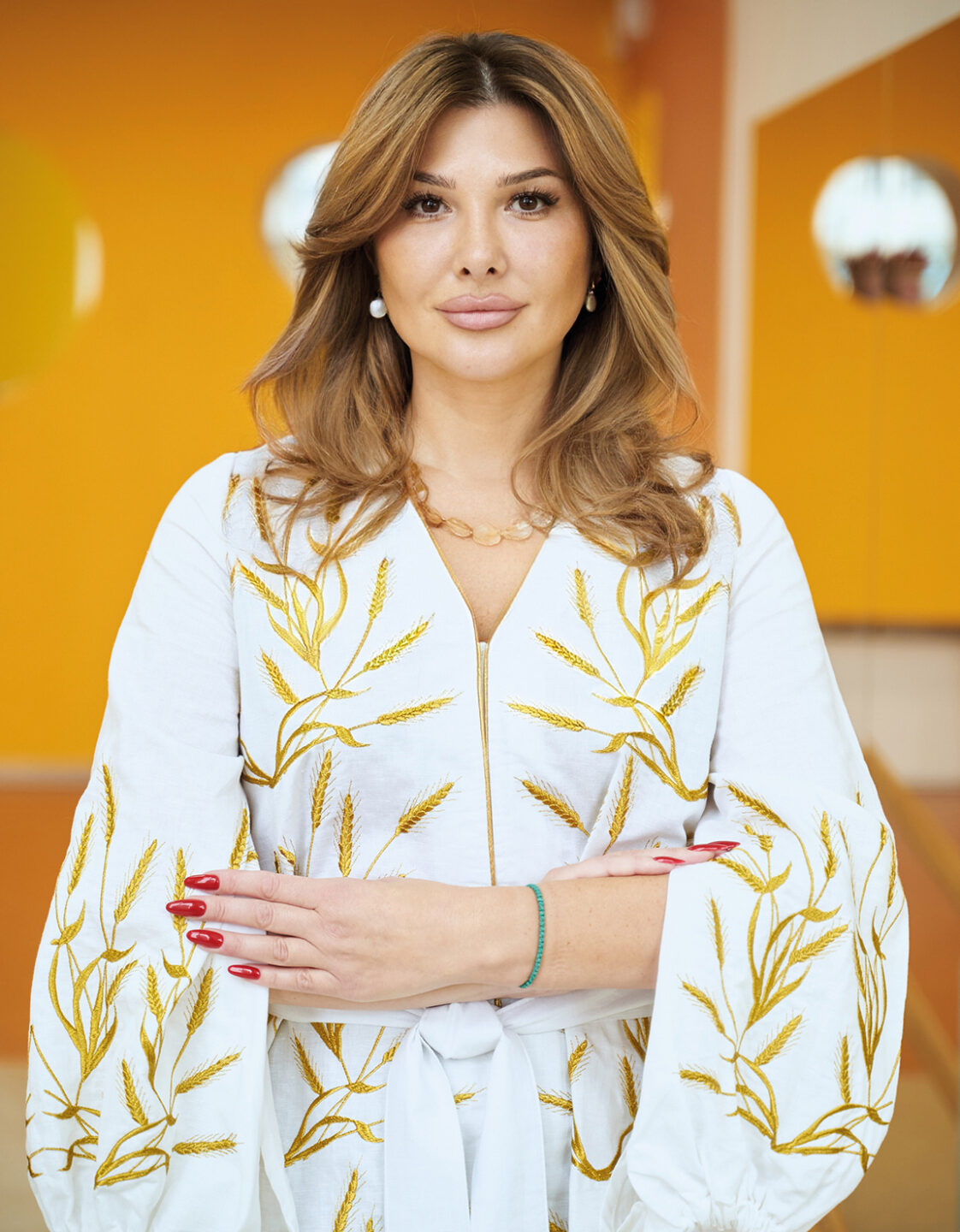
Natalia Lyalka is a psychologist, founder of the educational space Obiymy, and director of three educational institutions in Kyiv. For more than a decade, she has worked with children and families, helping create environments where children can grow into confident, emotionally resilient individuals who are open to the world around them.
At a time when traditional approaches to parenting and education are being reexamined, increasing attention is being paid to the skills that help children adapt to change, build meaningful relationships, and maintain a strong inner foundation. In this exclusive interview, Natalia Lyalka discusses the impact of war on today’s children, the evolving role of educators, the importance of partnership between parents and teachers, and the qualities that will shape the next generation of Ukrainians.
Modern research continues to highlight the importance of so-called soft skills—emotional intelligence, critical thinking, communication, creativity, and the ability to learn throughout life.
As a psychologist, I firmly believe that early childhood lays the foundation for many of these essential qualities. At Obiymy, we place special emphasis on ensuring that every child feels heard, can express their emotions, make age-appropriate decisions, and feel comfortable asking questions.
Unfortunately, many members of older generations were discouraged from being curious or expressing themselves openly. Today, we understand how important it is to give children the right to their own voice and opinions.
These are the children who grow into confident adults, capable of finding their place in the world no matter how much it changes.
This is one of the most difficult topics to reflect on.
Today, Ukrainian children are growing up under circumstances that would have seemed unimaginable just a few years ago. I believe my colleagues working in the country’s most challenging regions would agree.
What are we seeing? Increased anxiety, emotional fatigue, and a greater need for attention and support. Some children have become more withdrawn, while others display heightened activity as a way of coping with stress.
Contemporary child psychology tells us that the most effective support for children comes from stability, secure relationships, and a predictable environment. That is why we place great importance on daily rituals, including something as simple and meaningful as hugs.
For me, it is especially important that every child knows there are adults nearby who understand them, support them, and care about them.
This is what builds the psychological resilience our children need today just as much as they need academic knowledge.
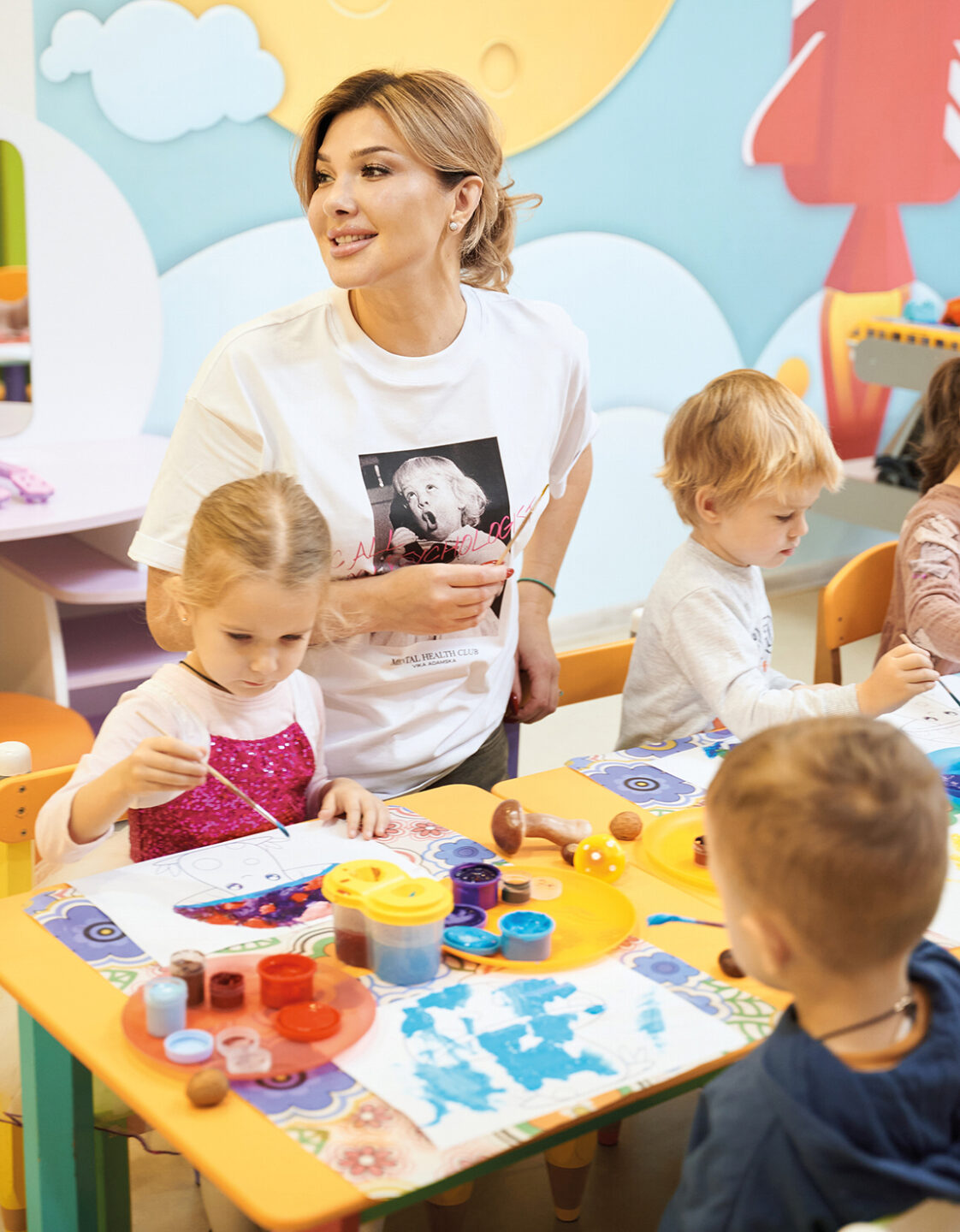
I am convinced that the role of the educator requires a new level of recognition in society.
In a world shaped by artificial intelligence, digital technologies, and automation, human qualities are becoming increasingly valuable. Every day, educators work with something that no technology can replace—the human personality.
This issue is closely connected to the previous one. Children form strong bonds with their teachers. They respond to warmth and genuine connection. That is why a leader’s responsibility extends beyond hiring talented educators—it also includes helping them stay in the profession, feel motivated, and recognize their own value. And this goes far beyond financial compensation.
For young people to choose this profession, they need to see opportunities for growth, professional development, and the realization of their ideas. Above all, however, they need to feel secure.
Unfortunately, it is not always possible to inspire talented educators to remain in a country that is living through war.
At Obiymy, we strive to create an environment where educators feel valued, have opportunities to continue learning, and can fully realize their potential.
In my view, a child’s balanced development is only possible when parents and educators see themselves as partners rather than supervisors of one another.
Contemporary research in child psychology consistently shows that the greatest influence on a child’s development comes not from the family or the educational institution separately, but from the alignment of their efforts.
I often observe that children face the greatest challenges when the adults around them communicate conflicting values. For example, a child may be encouraged to develop independence at preschool while adults do everything for them at home. Or, conversely, parents may foster emotional openness while the child’s feelings are not understood or acknowledged in the educational environment.
In such situations, children are forced to adapt to two very different worlds.
That is why, at Obiymy, we work according to a triangle of partnership: child, family, and educator. The child and their needs must always remain at the center.
Our role is not to judge one another, but to work together to find solutions that help each child reach their full potential.
Because raising a child is not a service one side provides to another. It is a shared responsibility for a child’s future.
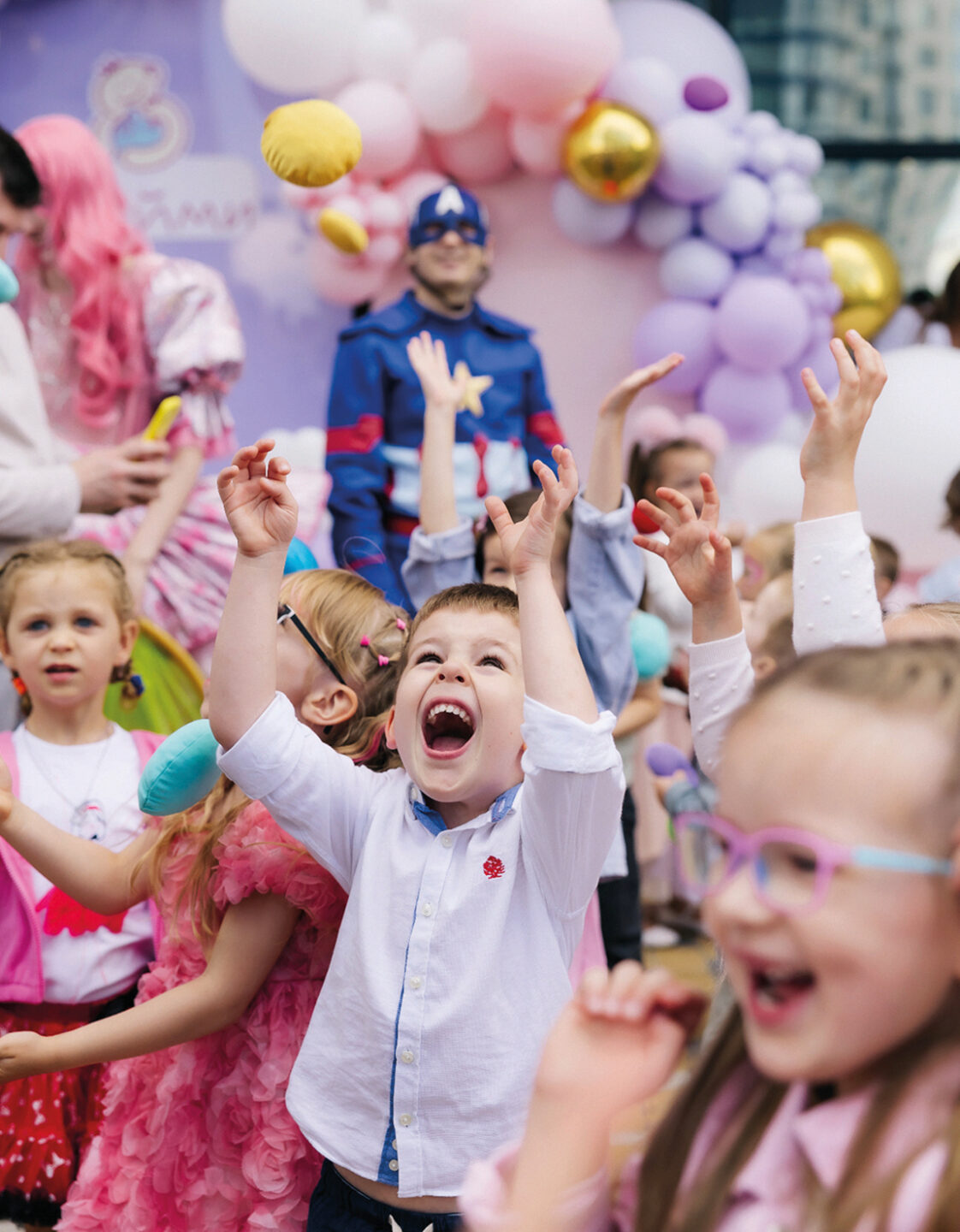
As the founder of three educational institutions in Kyiv and someone who has worked with children and families for more than ten years, I look at today’s generation with great optimism.
I see one particularly important quality: remarkable inner resilience. Our children are growing up during a difficult period, but these circumstances are also helping them develop the ability to adapt, find solutions, and maintain their humanity even in challenging situations.
Today’s children continually impress me with their adaptability. They embrace new experiences more easily than previous generations, are open to diversity, and are unafraid to ask questions.
I would like to believe that this is the generation that will build a new Ukraine.
We often hear this from school principals and teachers whose institutions welcome our graduates. What they notice is not that a child learned to read earlier than anyone else, but that they feel confident within a group, know how to ask questions, listen to others, express their opinions, and take responsibility for their actions.
Current research from educators and psychologists emphasizes that a child’s future success is predicted less by academic achievement and more by the development of executive functioning skills. These include the ability to focus, regulate emotions, interact effectively with others, remain curious, and approach challenges without fear.
That is why I believe one of the greatest achievements of early childhood education is the moment a child enters school with a strong inner belief:
“I can do this. I can learn. I’m not afraid of something new.”
That readiness for life is the true measure of high-quality early childhood education.