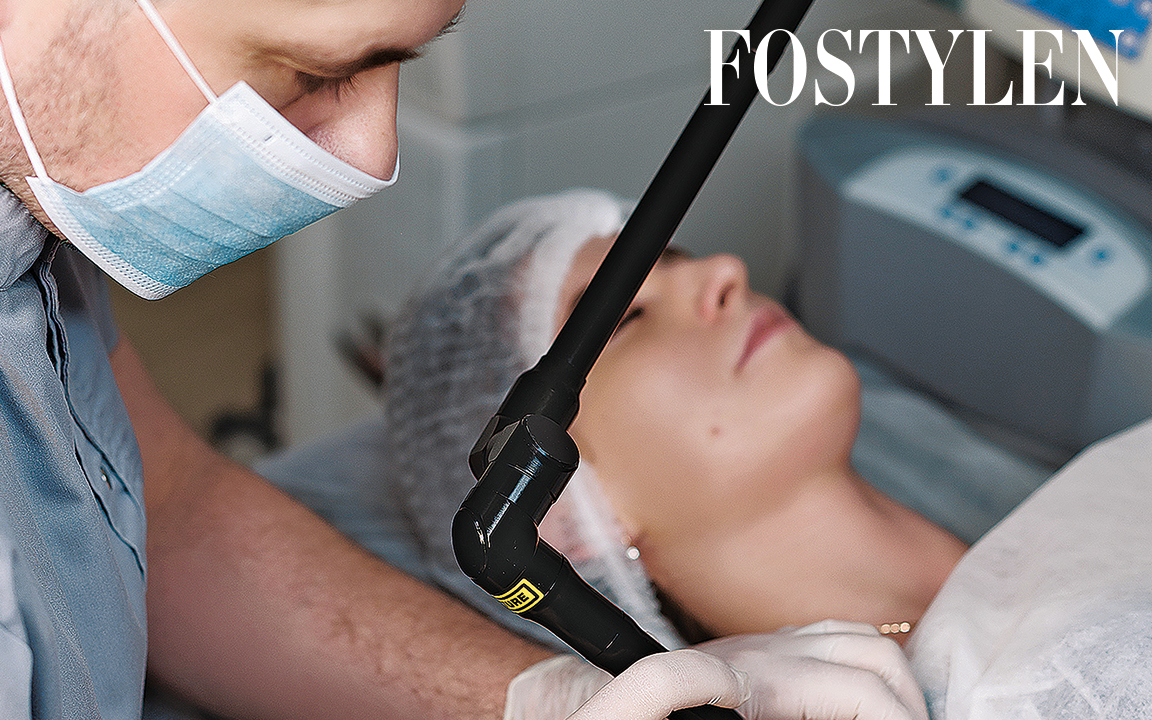
Every year in Ukraine, hundreds of cases of melanoma — the most aggressive form of skin cancer — are diagnosed. Yet most of them could have been detected much earlier. Dermatologic oncologist Andrii Lysetskyi, founder of the CALM clinic network and the social project SkinScan, explains why Ukrainians are still afraid to remove moles, how the statistics of skin cancer are changing, and what each of us can do right now to stay safe.

Dr. Lysetskyi, every May you and all dermatologists from your clinic step “out into the public” to offer free skin screenings for anyone who wishes. May I ask a provocative question — why do you do it?
You might not believe it, but I’d be genuinely happy if there were no patients diagnosed with skin cancer at all — neither in our clinic nor in Ukraine. That would mean the problem is being addressed at a stage when it can be treated quickly, easily, and effectively. And that’s absolutely possible. The truth is, skin cancer is a curable disease if diagnosed early.
Our biggest challenge is that Ukrainians are poorly informed about skin cancer, including melanoma, and often simply ignore changes in their moles. Has it grown? Started bleeding? Changed shape? Many think, “It’ll pass.” But it doesn’t — it grows. Unfortunately, we face problems almost daily that could have been completely avoided if people had the habit of visiting a dermatologist once a year for preventive check-ups.
I know this issue receives far greater attention globally — people talk about it much more. In Ukraine, not so much. And I also know our people: they rarely go to a doctor unless something hurts or burns. That’s why I decided to take the opposite approach — not to wait for patients to come for dermatoscopy, but to bring the dermatoscope to them. My colleagues at CALM supported the idea. That’s how, in 2019, the project “SkinScan. I Care for My Skin” was born. We went into public spaces — shopping malls, city streets, even beaches — with dermatoscopes and started offering people a chance to examine their moles right there.
And do people actually agree to get checked?
Yes, absolutely. For instance, during our last large-scale campaign at the Dream shopping mall, which we held before the war, there were real queues of people waiting to be examined! In just over a month, we screened around 2,000 individuals. Unfortunately, we diagnosed 40 cases of melanoma and 287 dysplastic nevi — moles that can potentially turn malignant. But there’s also a positive side: these people were examined in time and now have the chance to safely remove dangerous moles before it’s too late.

So more than 10% of those examined had no idea they were ill… Is skin cancer a common disease in Ukraine?
Not only in Ukraine. The number of melanoma and other skin cancer cases is increasing worldwide every year. Unfortunately, the average rate of skin cancer in Ukraine is 2–3% higher (depending on the region) than in Europe or the United States. There are many reasons for that, but the main one is our lack of awareness and the absence of a culture of safe sun exposure and preventive check-ups. For example, there are widely shared guides on self-examination of breast tissue — but how many people know about or actually use self-examination guides for their moles? That’s an open question.
So, is the sun to blame for everything?
Our biggest problem isn’t the sun — it’s indifference and ignorance. Believe it or not, many people still hold the superstition that moles should never be removed! I’ve even heard this from some medical professionals. Once, I saw a woman on the street with a mole on her cheek that clearly showed signs of melanoma — there was no room for doubt. As a doctor, I couldn’t just walk by. I approached her, introduced myself, and told her she urgently needed to have it removed. She turned out to be a general practitioner and was genuinely surprised by my advice. I hope she took it seriously.
As for the sun… think of it like wine: a little is fine, but a couple of bottles can be deadly. Moderation is the most reliable way to enjoy the sun and stay healthy. Is it really so hard to visit a dermatologist once a year — especially after a vacation in hot countries? And bring your parents or grandparents, too. They’re in the risk group simply by virtue of age.
It’s a common belief that moles shouldn’t be touched. But you claim they can — and sometimes must — be removed?
Of course they can, and in some cases, it’s absolutely necessary. Trust my 16 years of experience as a dermatologic oncologist: that superstition can actually work in the opposite direction! If a mole isn’t in the risk group, doesn’t change, and causes no discomfort, no doctor will suggest removing it. But if a mole becomes “active” — changes color or size, bleeds, or starts to draw attention — it must be removed. All those old beliefs that “you mustn’t touch a mole” are not just false, they’re dangerous.
It’s also important to note that people often misjudge their own moles. They’ll say, “Why show it to a doctor? It’s small, flat, and looks fine.” But the danger lies precisely there: large, raised moles that protrude from the skin are usually safe, while flat ones with uneven color or irregular borders — those that look perfectly ordinary — can actually be aggressive.
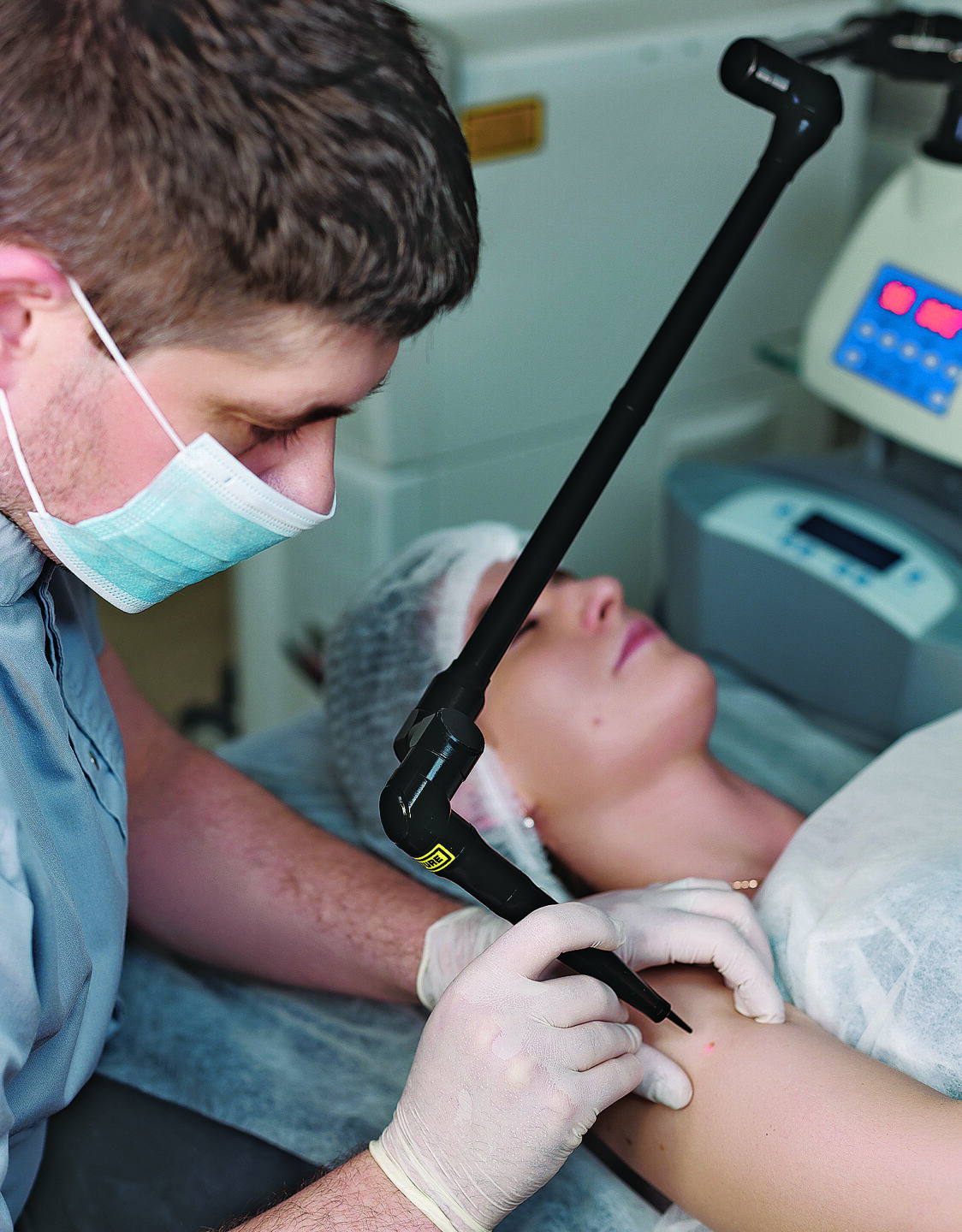
You mentioned that older people are more likely to develop skin cancer. Who else is in the risk group? Who should be especially attentive to their skin?
Until recently, all forms of skin cancer were considered age-related diseases. But global statistics now show a worrying trend — skin cancer is getting younger, and today it’s even diagnosed in children. Fortunately, it’s still rare, but it does happen. Among people aged 40 and older, it’s no longer uncommon.
We’ve also noticed changes in moles among young women and even teenage girls — mostly due to the popularity of tanning salons. When people ask me how often and how long they can tan in a solarium, my answer is always the same: don’t go there at all.
People who have multiple moles, not just freckles, should be particularly careful and see a dermatologist regularly. Those with a family history of skin cancer are also at higher risk. There isn’t a direct genetic link, but if your parents or grandparents had dangerous moles, you should pay closer attention to your own skin.
Fair-skinned people — especially those with skin phototypes I and II — are more prone to developing skin cancer. And remember: if you’ve ever had a severe sunburn in your life, your risk of developing skin cancer increases significantly.