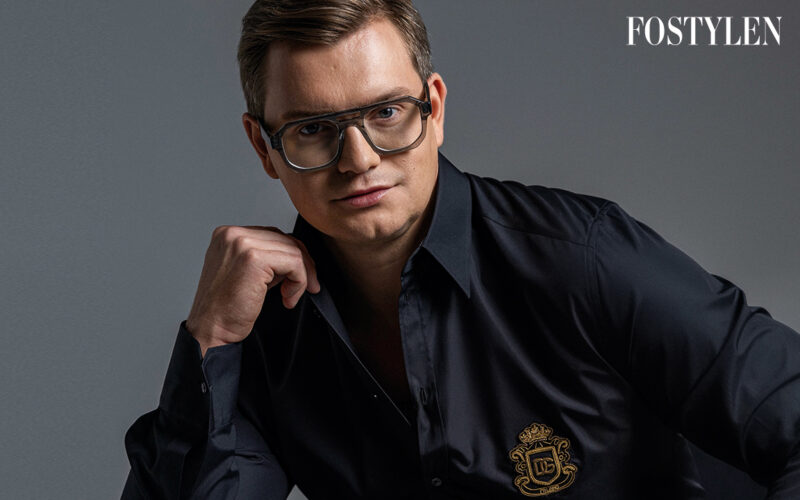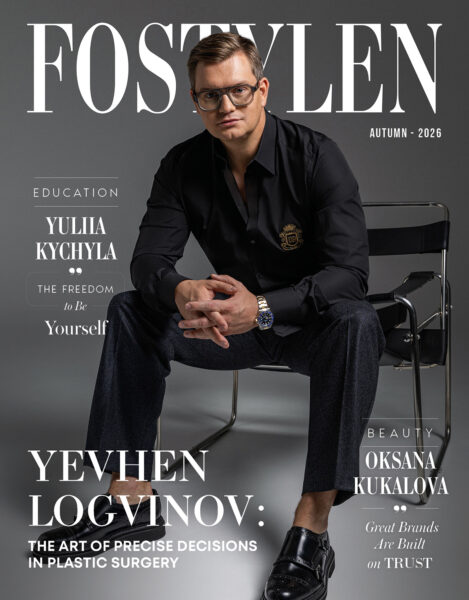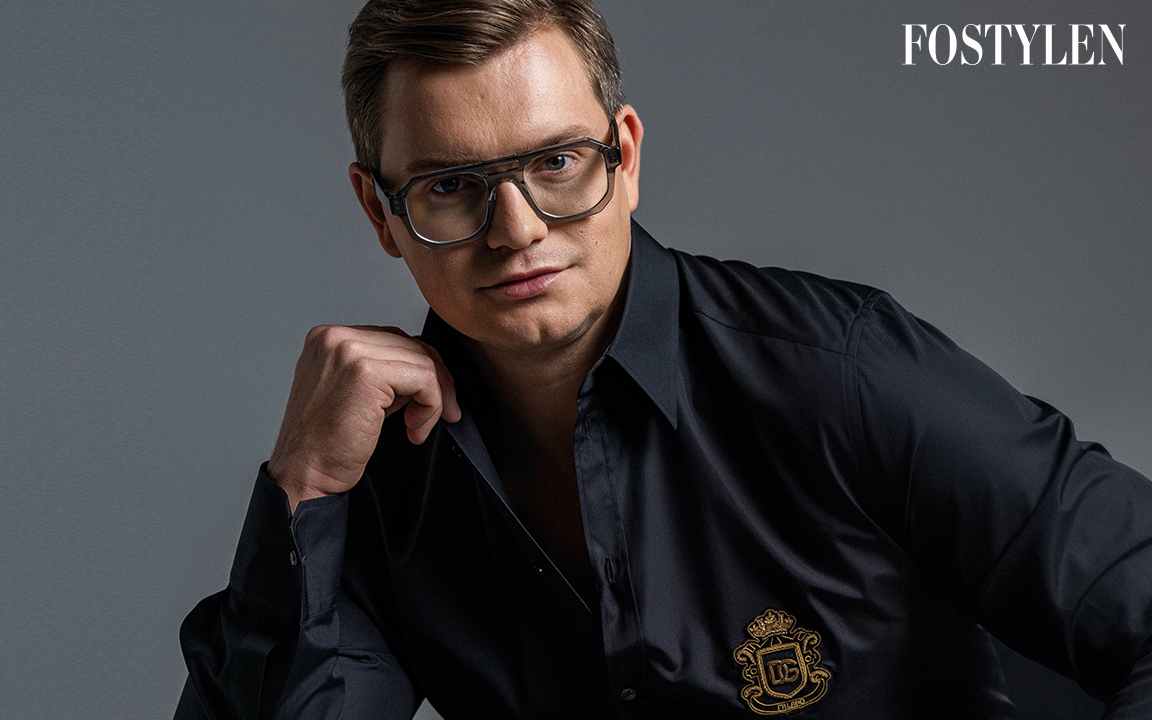
For a plastic surgeon, the outcome of an operation depends on more than technical skill. It also requires listening to the patient, assessing risks, and knowing when to advise against surgery. In this interview, Yevhen Logvinov discusses individual perceptions of beauty, procedures without implants, complex revision cases, professional responsibility, and the principles that guide his work as a surgeon, department head, and mentor.
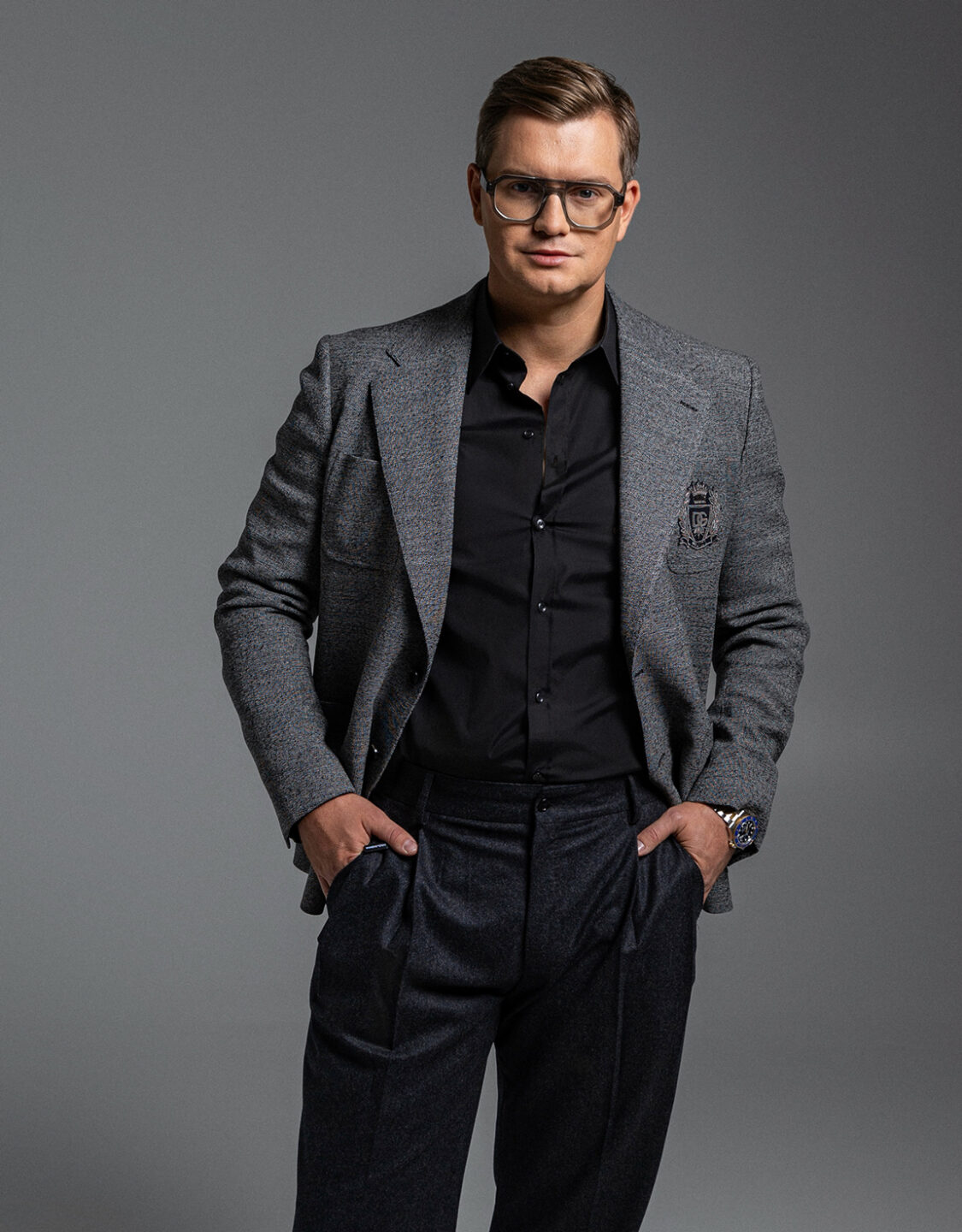
Plastic surgery combines medical precision with a personal sense of harmony. Why did you choose this field, and how has your understanding of beauty changed over the years?
I was drawn to the combination of complex surgical work and seeing how its outcome affects a patient’s daily life. It requires precision, spatial thinking, a sense of proportion, and the ability to listen. Performing an operation well is only part of the job. You also need to understand what a particular person hopes to achieve and whether you can achieve it.
Over the years, I’ve come to value individuality more and more. Beauty is difficult to reduce to one nose shape, a certain breast size, or a complete absence of wrinkles. To me, it lies in the harmony between a person’s appearance, age, character, and body proportions.
A good result is one that helps a person like what they see while still looking like themselves. In plastic surgery, a sense of restraint is especially important.
In a surgeon’s work, professionalism sometimes means saying no to an operation. When do you tell a patient no? Have you ever lost a patient because you stood by that decision?
I say no when the risks outweigh the expected benefits, when the desired result cannot be achieved, or when surgery will not address what the person has really come in seeking.
For example, if a patient expects a change in appearance to save a relationship or completely transform their life, we need to pause and discuss those expectations. It is equally important to understand whether the decision reflects the person’s own wishes or pressure from a partner.
A refusal needs an explanation: what concerns me, what alternatives exist, and whether we might revisit the question later. The patient has the right to choose another doctor, and I have to be prepared for that while standing by my professional judgment. A surgeon’s responsibility begins well before entering the operating room.
Social media has accustomed people to seeing themselves through filters and comparing their appearance with edited images. How do you tell where a healthy desire for change ends and an attempt to address deeper dissatisfaction with oneself through surgery begins?
During a consultation, I pay attention to how a person describes the concern, how long it has bothered them, and what they expect after surgery. Wanting to change a specific feature and believing that doing so will make every difficulty in life disappear are very different reasons for seeking an operation.
I also want to know whether the patient is willing to discuss limitations, recovery, scars, and the possibility of some remaining asymmetry. A real body has characteristics that an edited image does not show.
If a person cannot accept any imperfection or continually finds new reasons to seek procedures, that is a reason to spend more time talking and, if needed, suggest a consultation with a mental health professional. Respect and sensitivity matter here. The person’s distress is real, even if surgery cannot resolve it.
You work with complex and revision cases, asymmetry correction, and breast lifts and reductions without implants. Why are more patients choosing procedures without implants, and what makes revision surgery especially demanding for a surgeon?
For many patients, the main concern is breast shape, position, and proportion. After pregnancy, breastfeeding, or a change in weight, a woman may want to feel comfortable again and restore the shape of her breasts while retaining a size that feels right to her. If her breasts are too large, reduction is often her primary goal.
When there is enough natural tissue and expectations align with what surgery can achieve, we can consider a breast lift or reduction without implants. At the same time, I do not set these approaches against each other. Each has its indications and limitations. We choose the method based on the specific goal.
In revision surgery, the surgeon works with anatomy that has already been altered, as well as scars and the effects of the previous operation. It is especially important to assess the condition of the tissue, review the available medical records, and plan the scope of the correction realistically. Understanding the patient’s experience matters just as much. She often arrives feeling anxious, so trust has to be built gradually.
You perform surgery, lead a department, develop a private medical business, and train other surgeons. What principles help you maintain consistent standards in the operating room, across your team, and in your work with younger doctors? How do you plan to develop your practice from here?
For me, the foundation is well-grounded decisions, clear accountability, and honest communication. Everyone on the team needs to understand their role and feel able to raise a concern in time. The same standard of care should apply at every stage, from the first consultation through postoperative follow-up.
When training younger doctors, I believe it is important to teach the reasoning behind decisions. Why do we choose this particular method? What risks does it involve? When should we change the plan or decide against the procedure altogether? Knowing the sequence of steps is not enough if you do not understand their purpose.
I see the next stage of my practice in deepening my expertise in complex and revision surgeries, developing the team, and training younger specialists. To me, the value of growth lies in the quality of care we can provide consistently.
Fatherhood, sports, golf, and travel take place outside the operating room, but they inevitably shape the person who enters it. Which has changed your character, your sense of responsibility, and the way you make difficult decisions the most?
Fatherhood has changed my understanding of responsibility most profoundly. Being with my son makes the importance of setting an example especially clear: children notice how you behave, keep your promises, and respond to difficulties. It teaches patience and attentiveness.
Sports give me discipline and help me recover after demanding work. Golf is particularly good at showing you how you respond when things do not go according to plan. A bad shot has already happened. You need to assess the new situation and make the next decision. Frustration certainly will not help.
Travel broadens my view of people, culture, and beauty. It reminds me how different ideas of harmony can be.
All of this helps me remain attentive to the person who comes to a consultation with their own history, fears, and expectations.