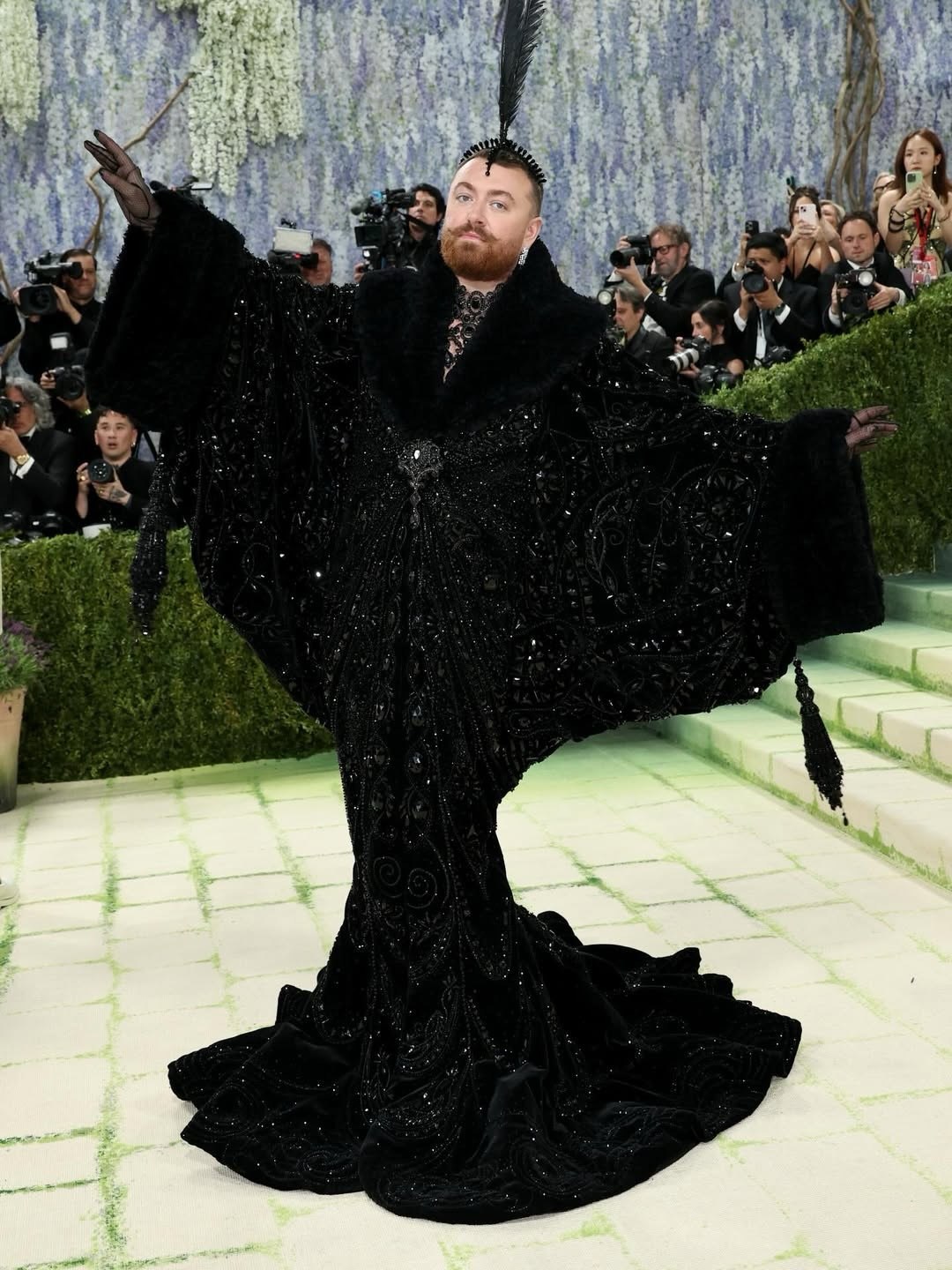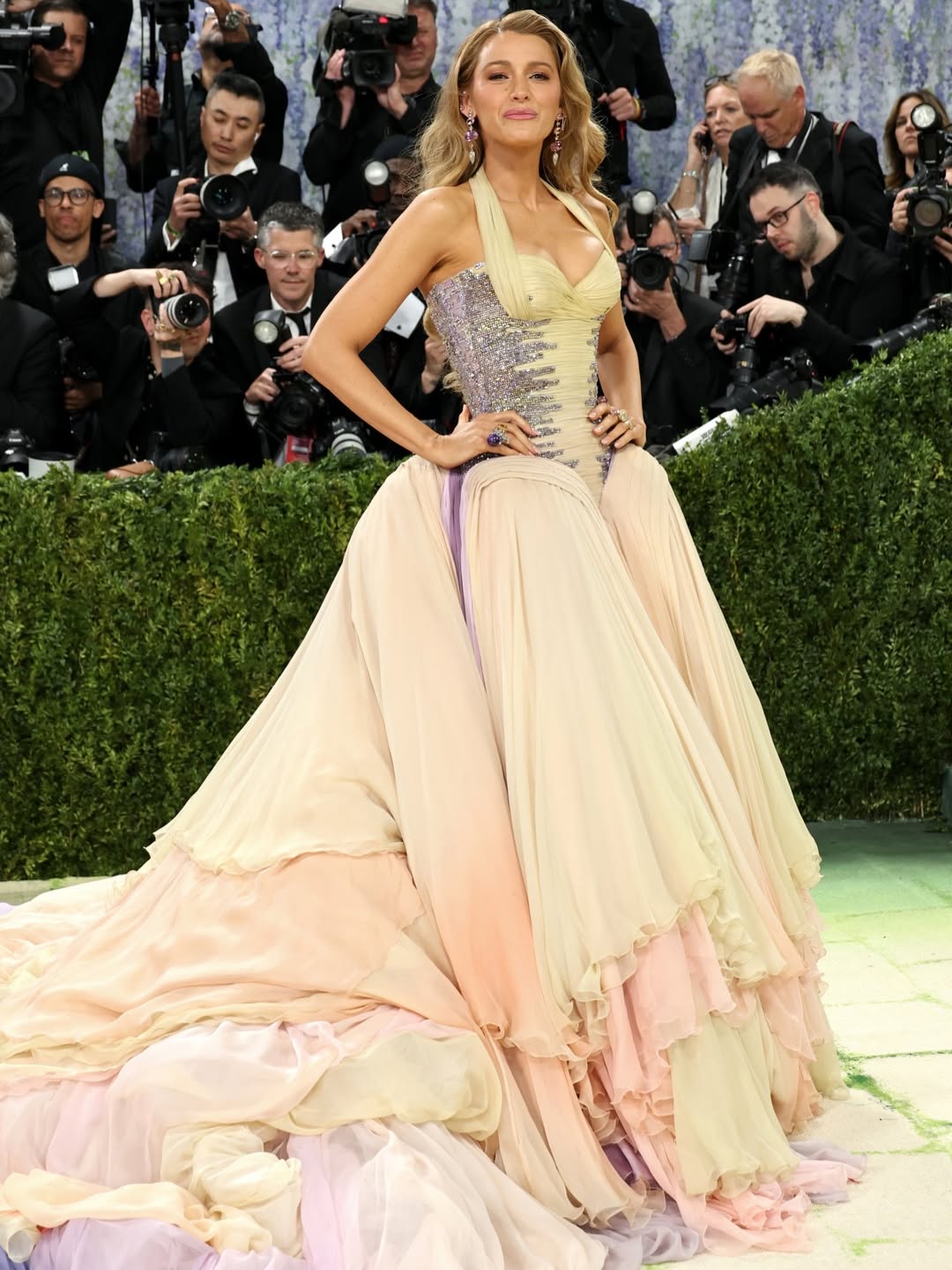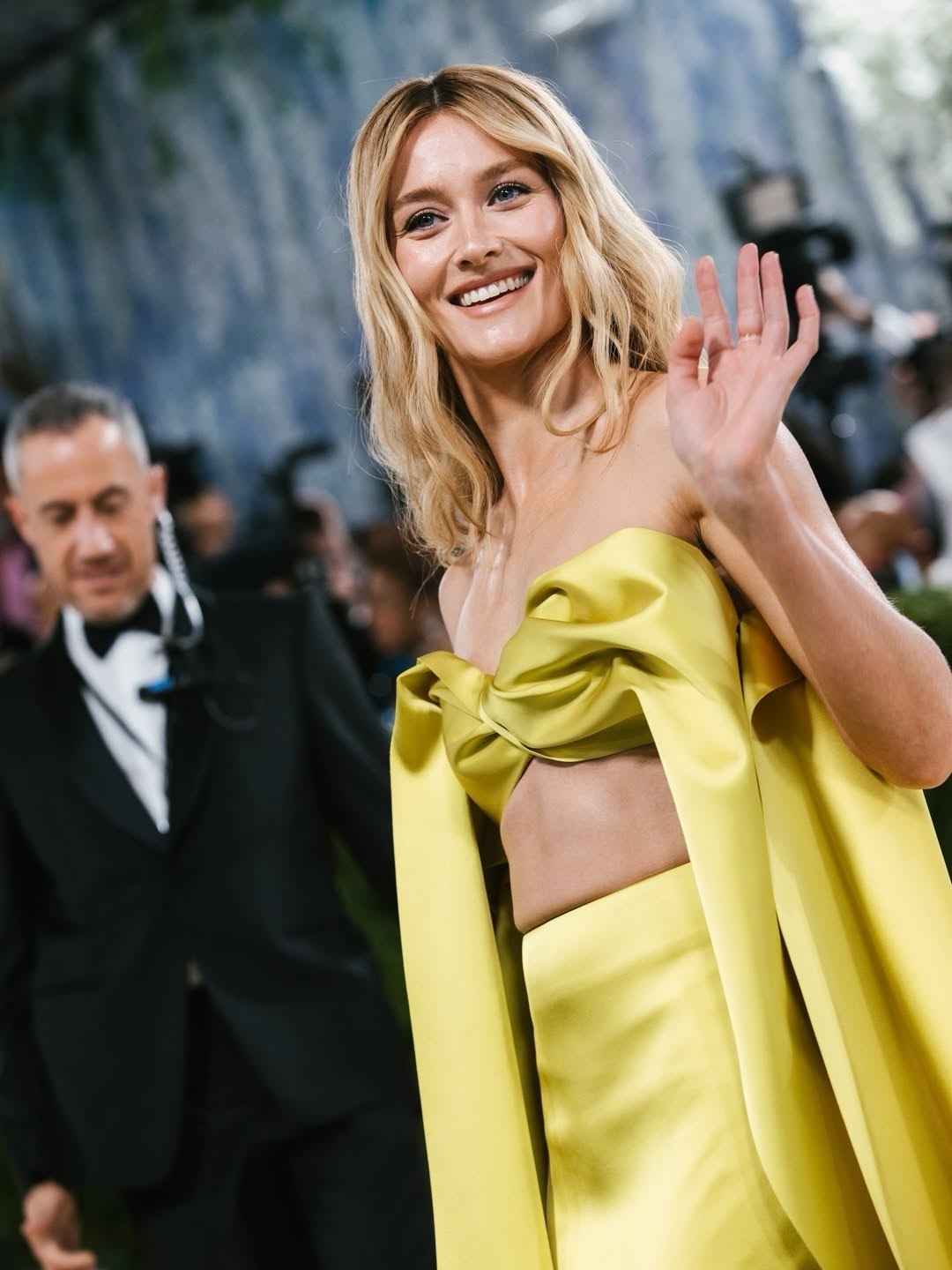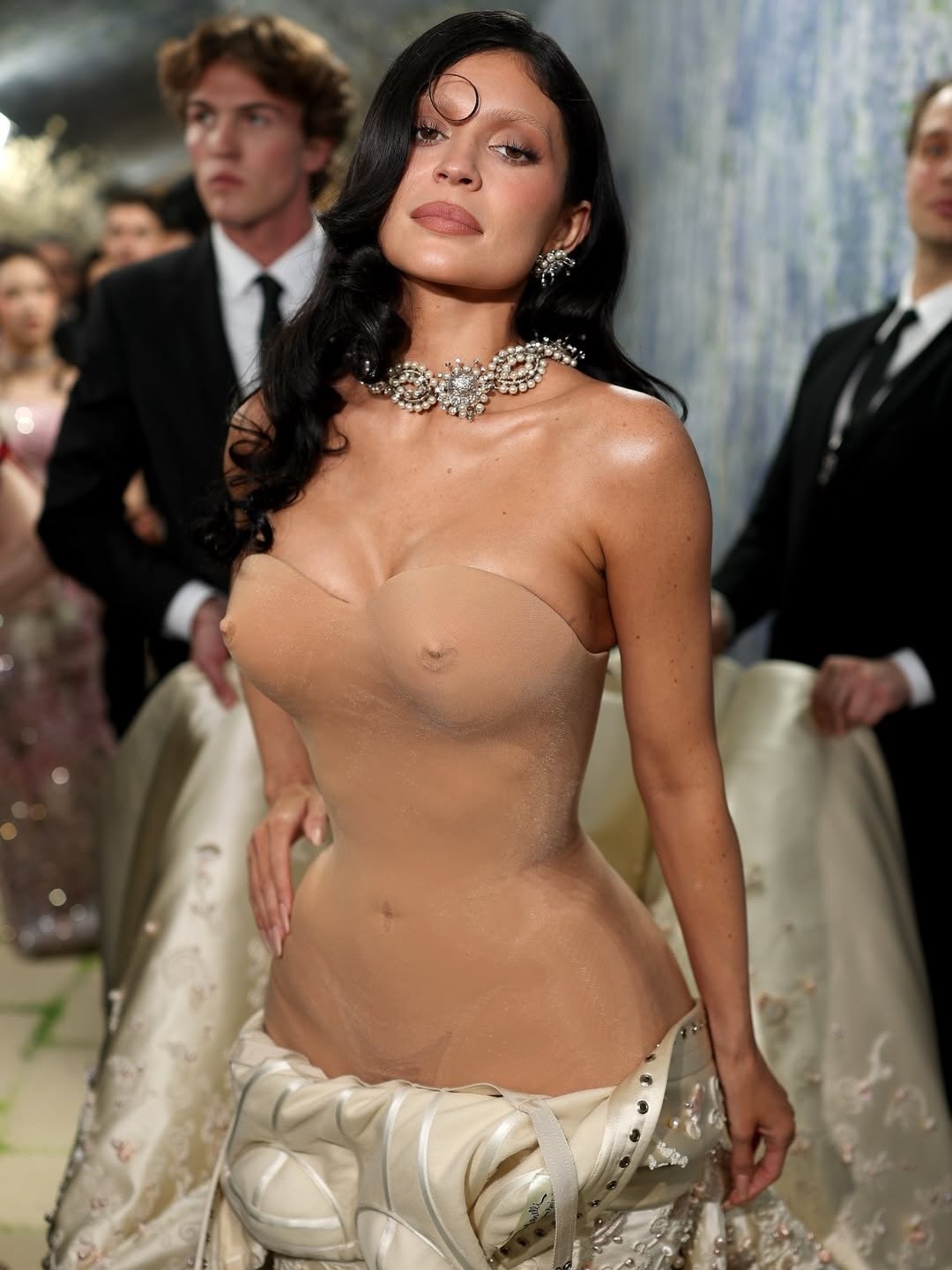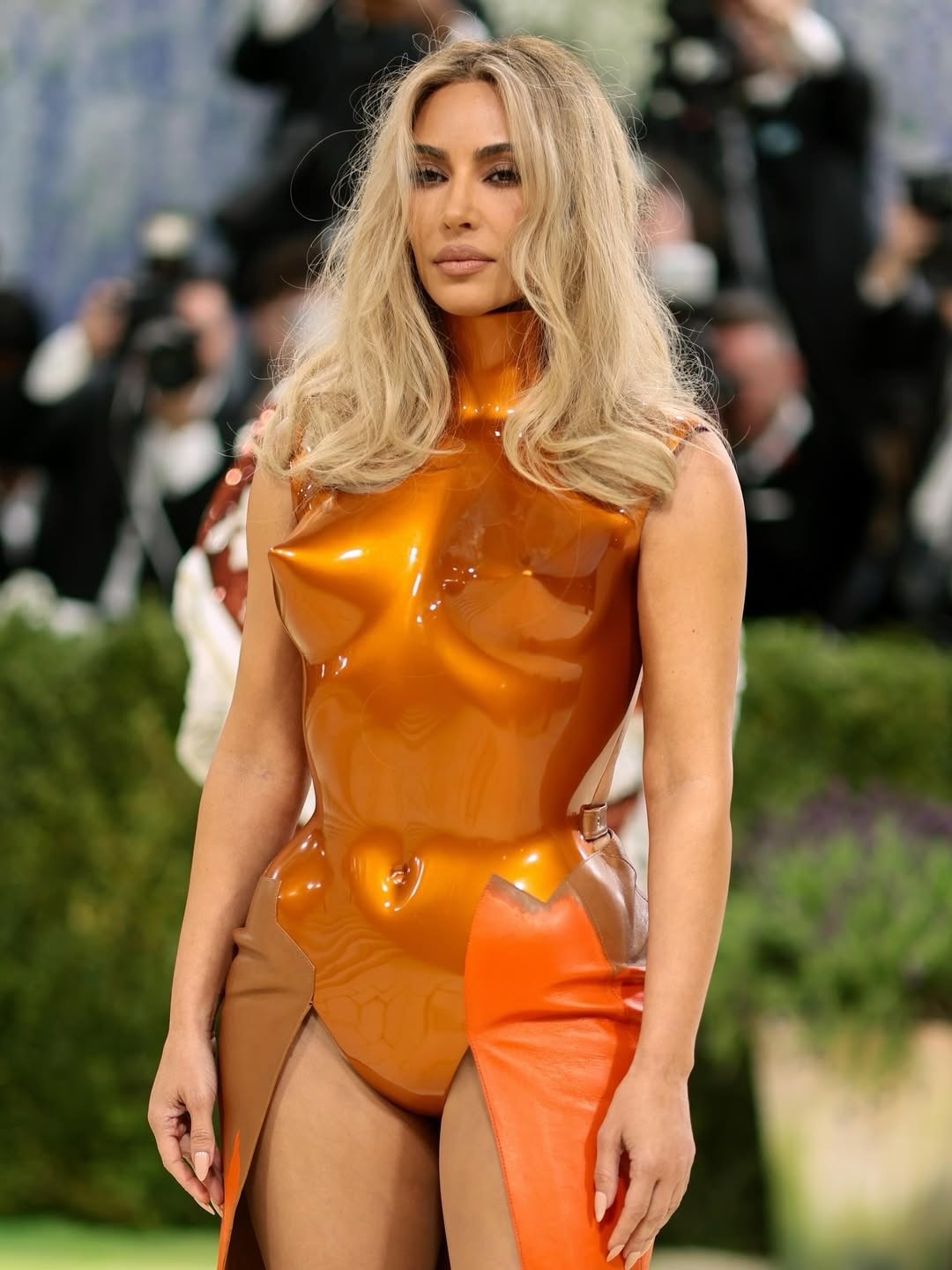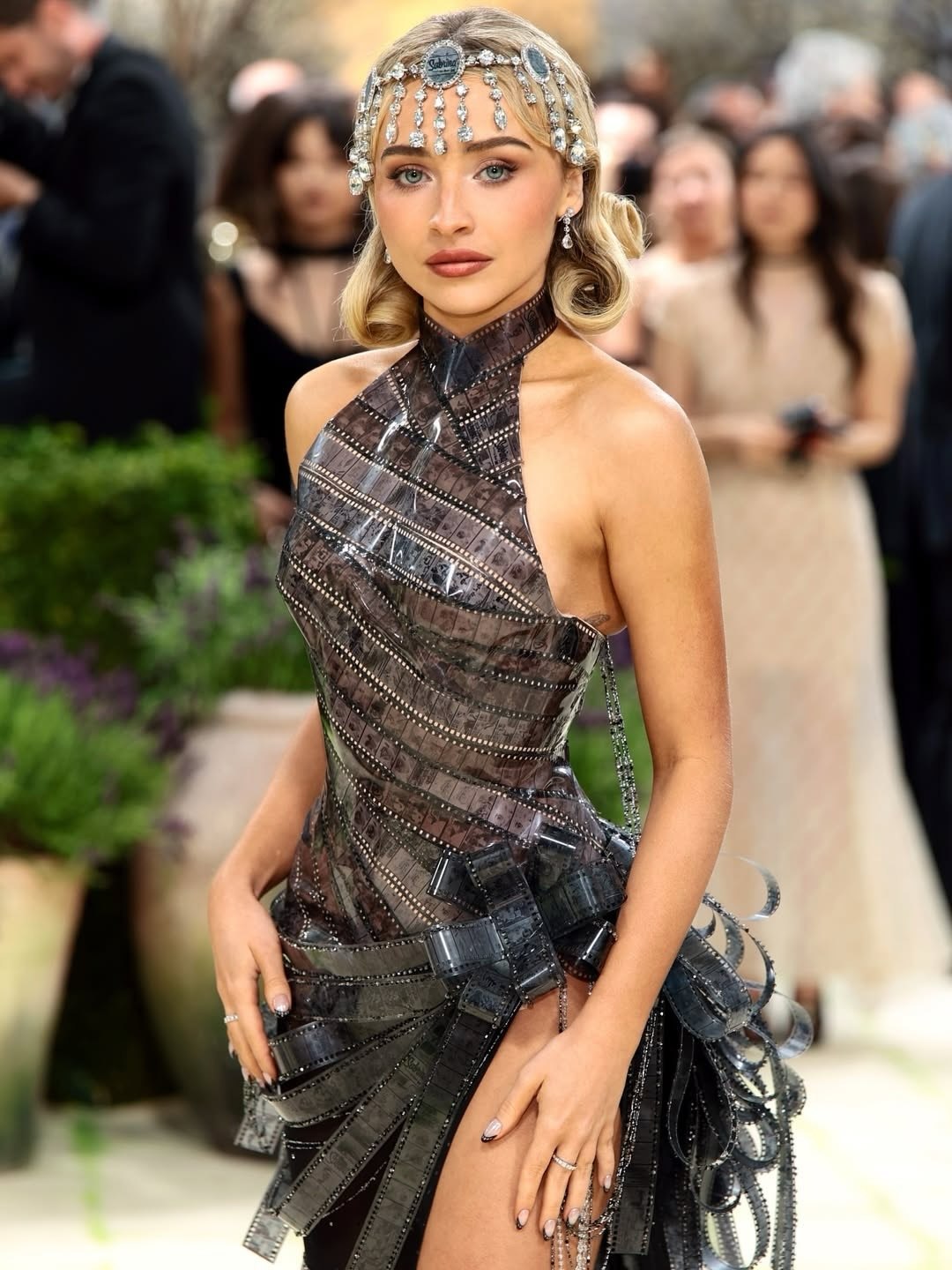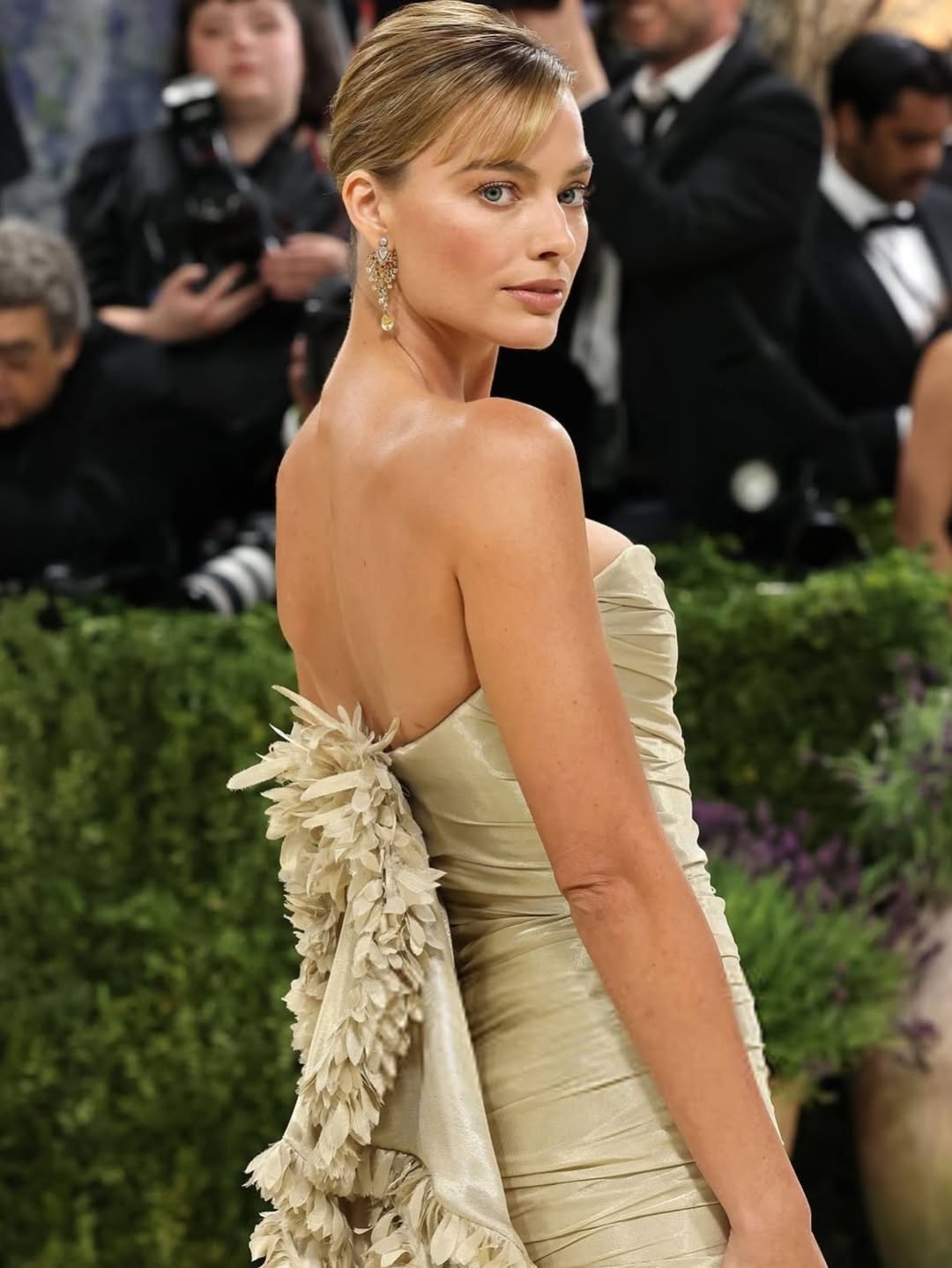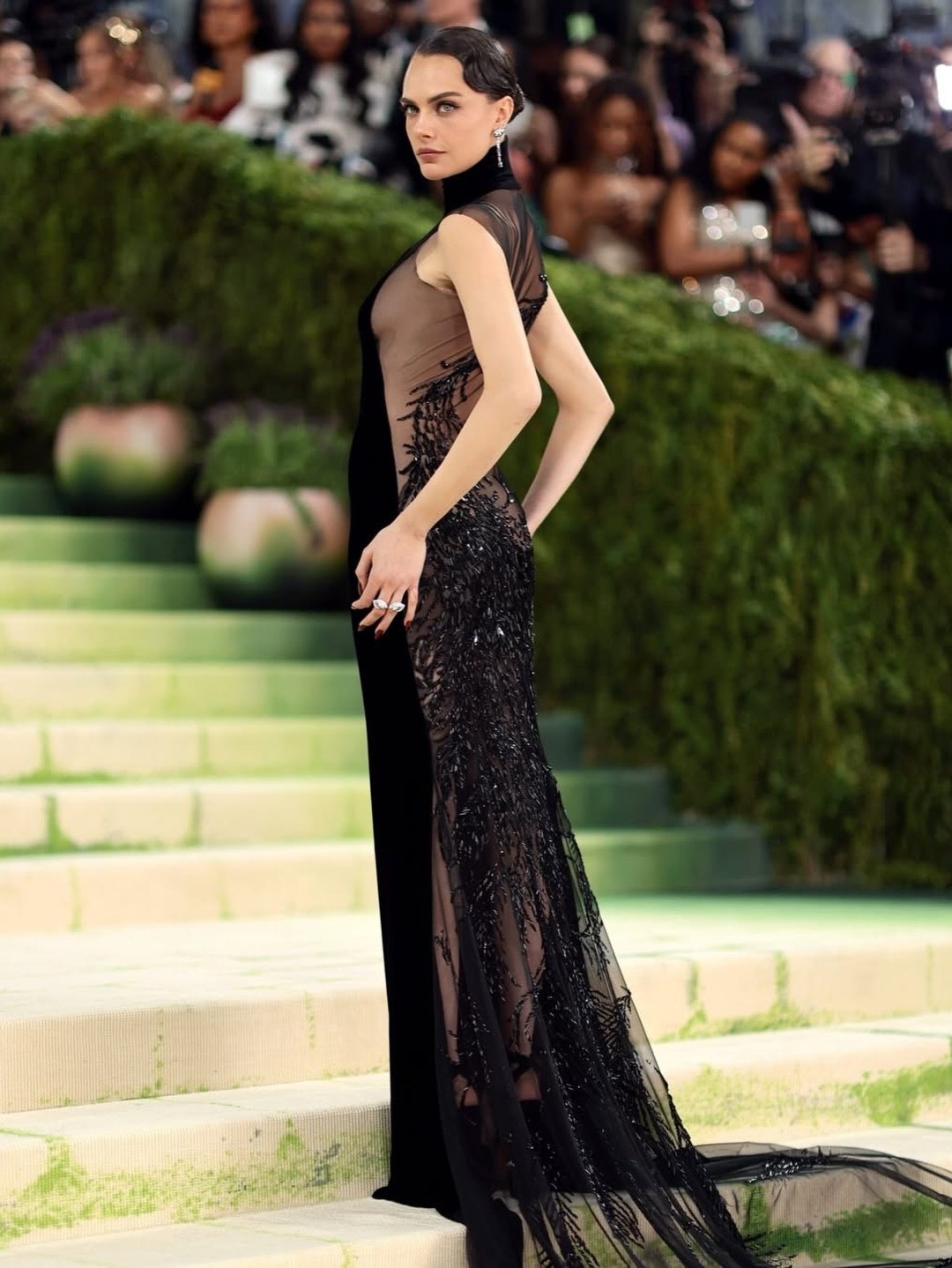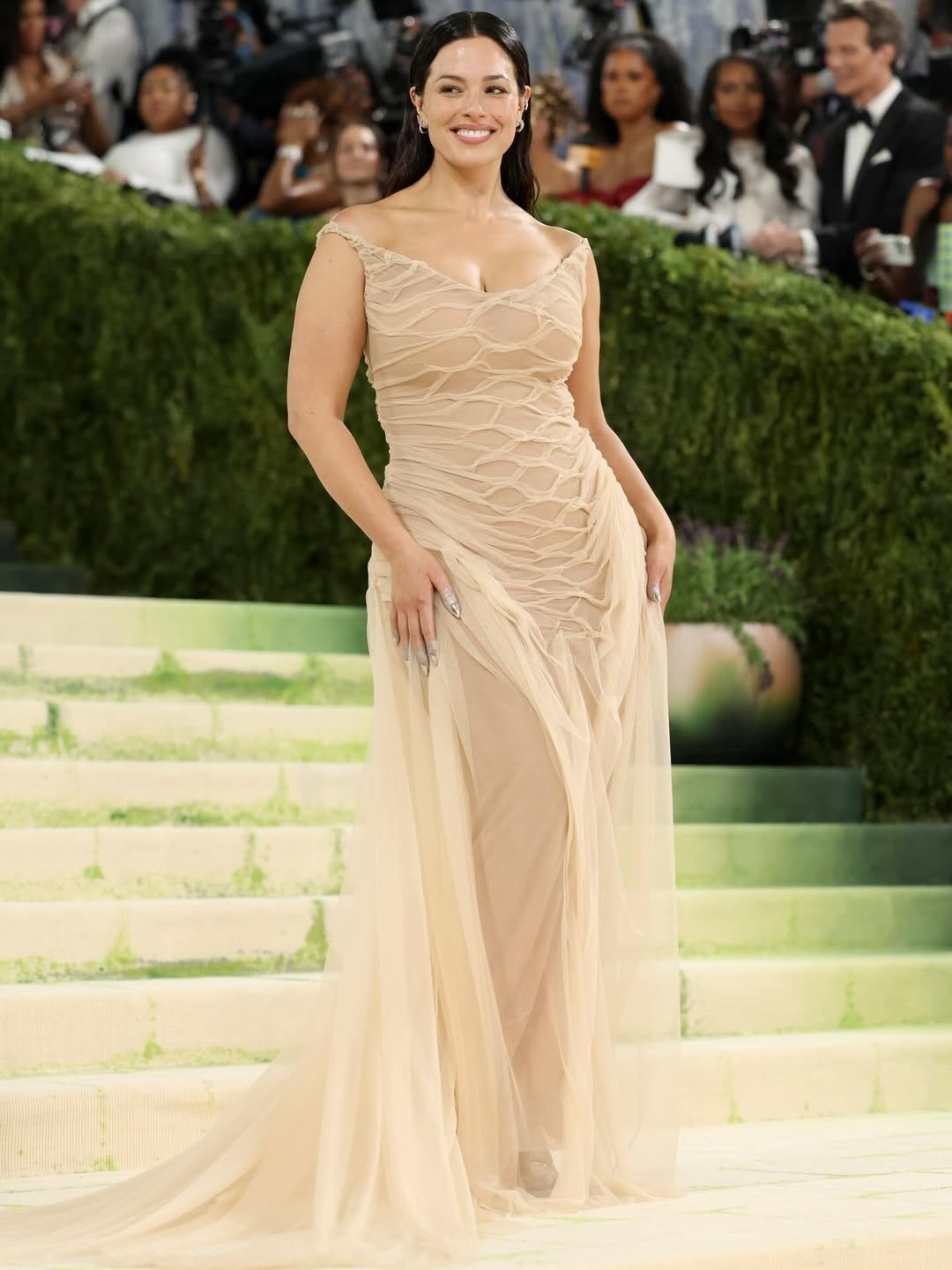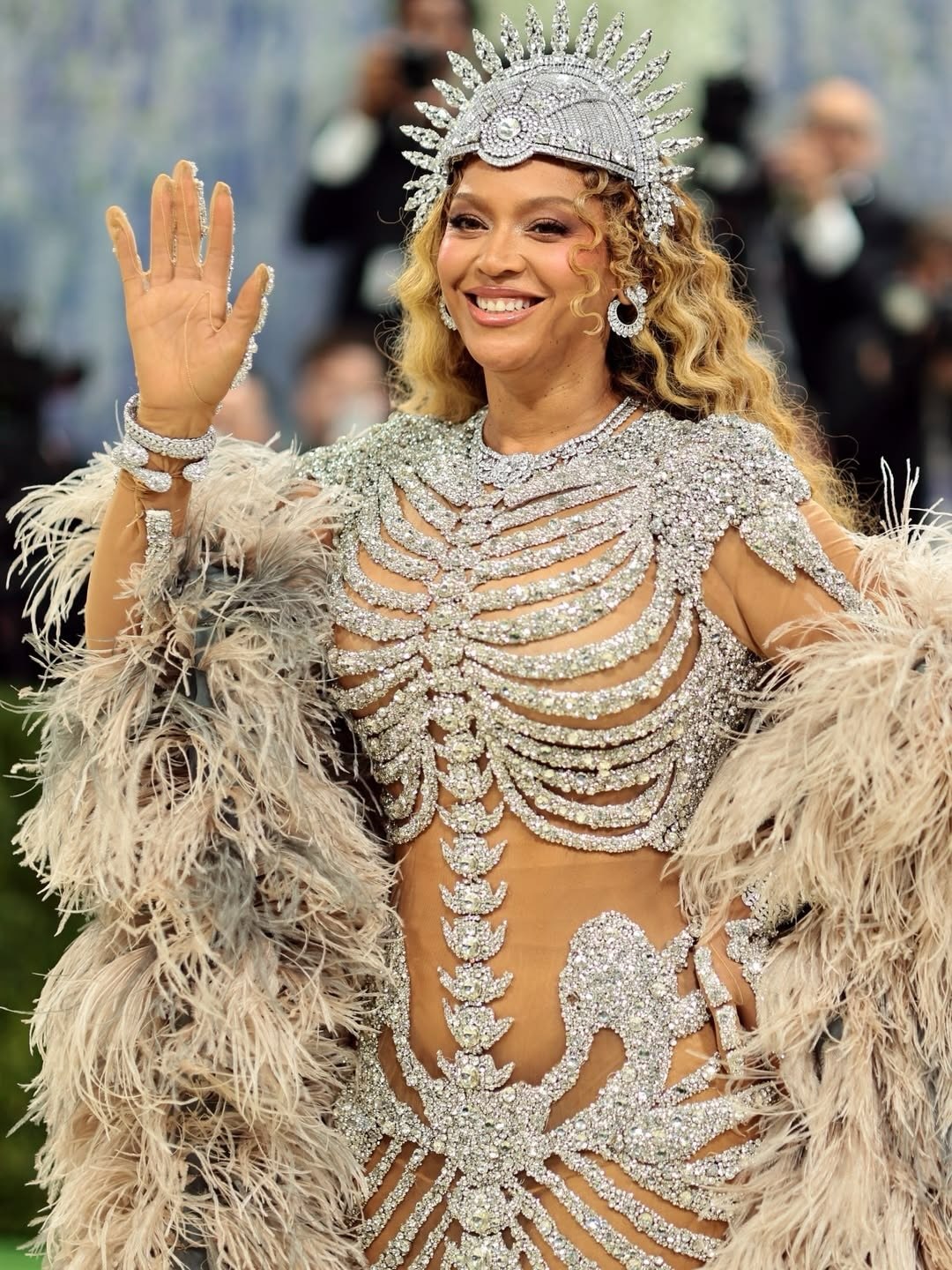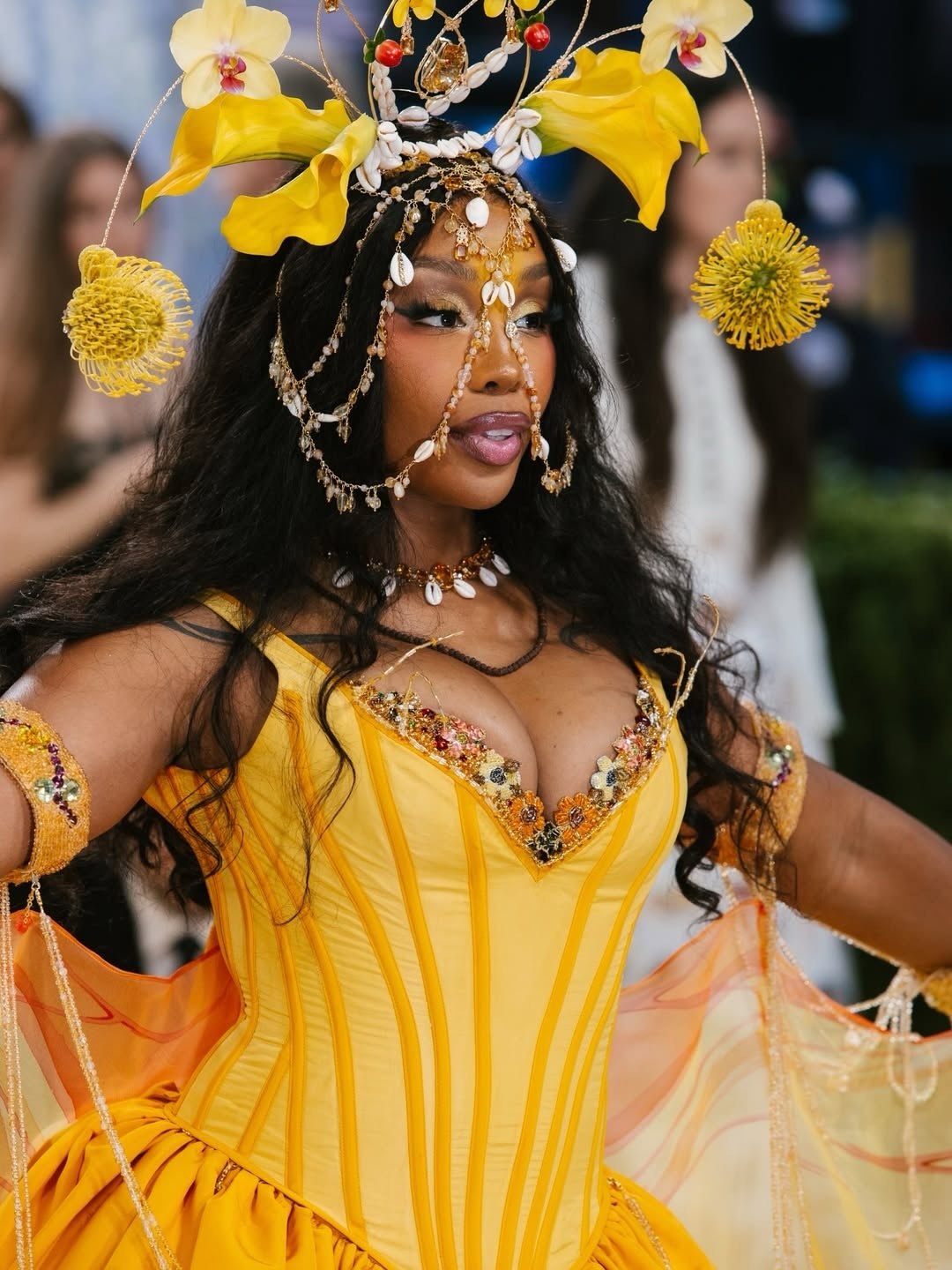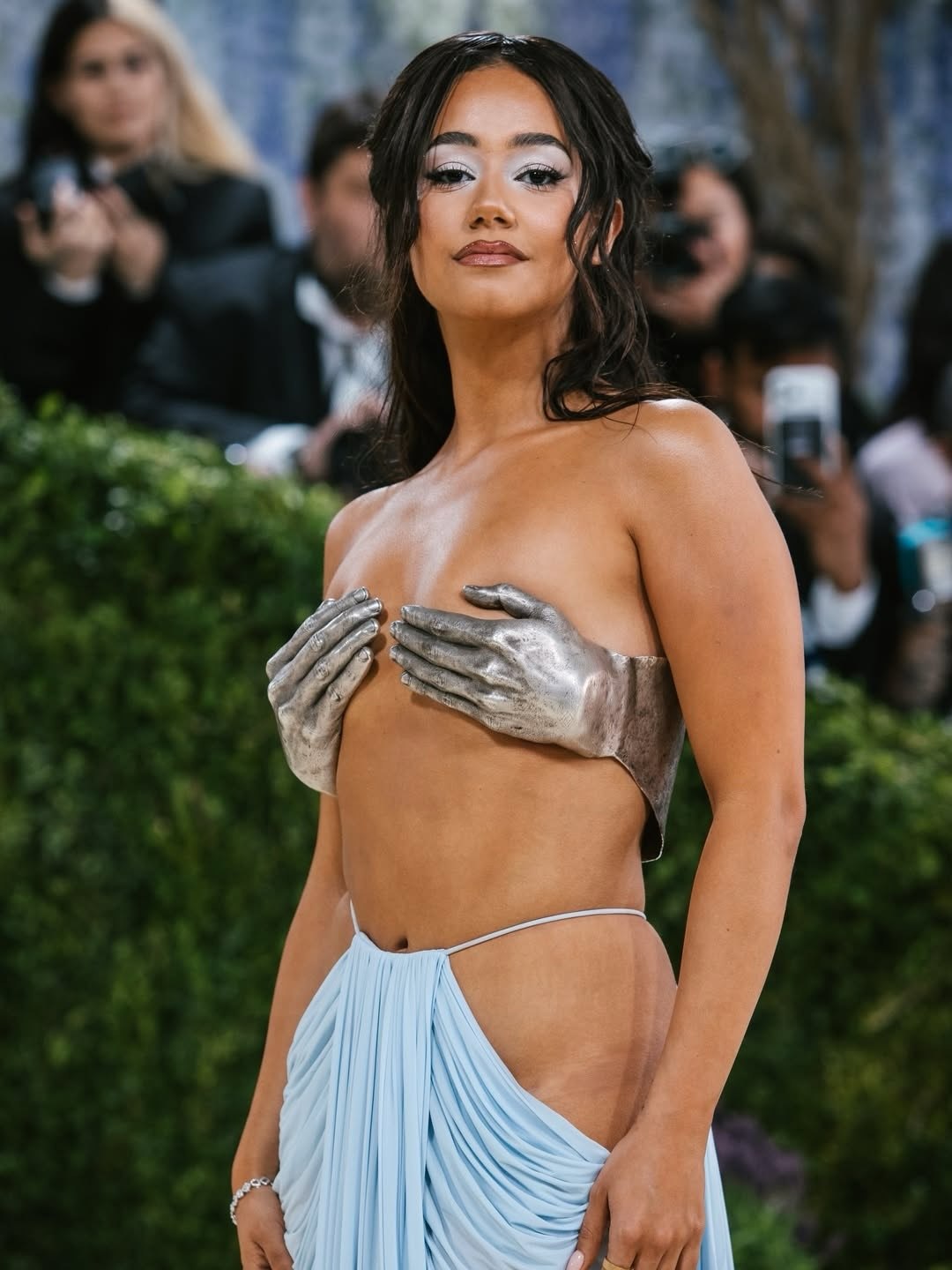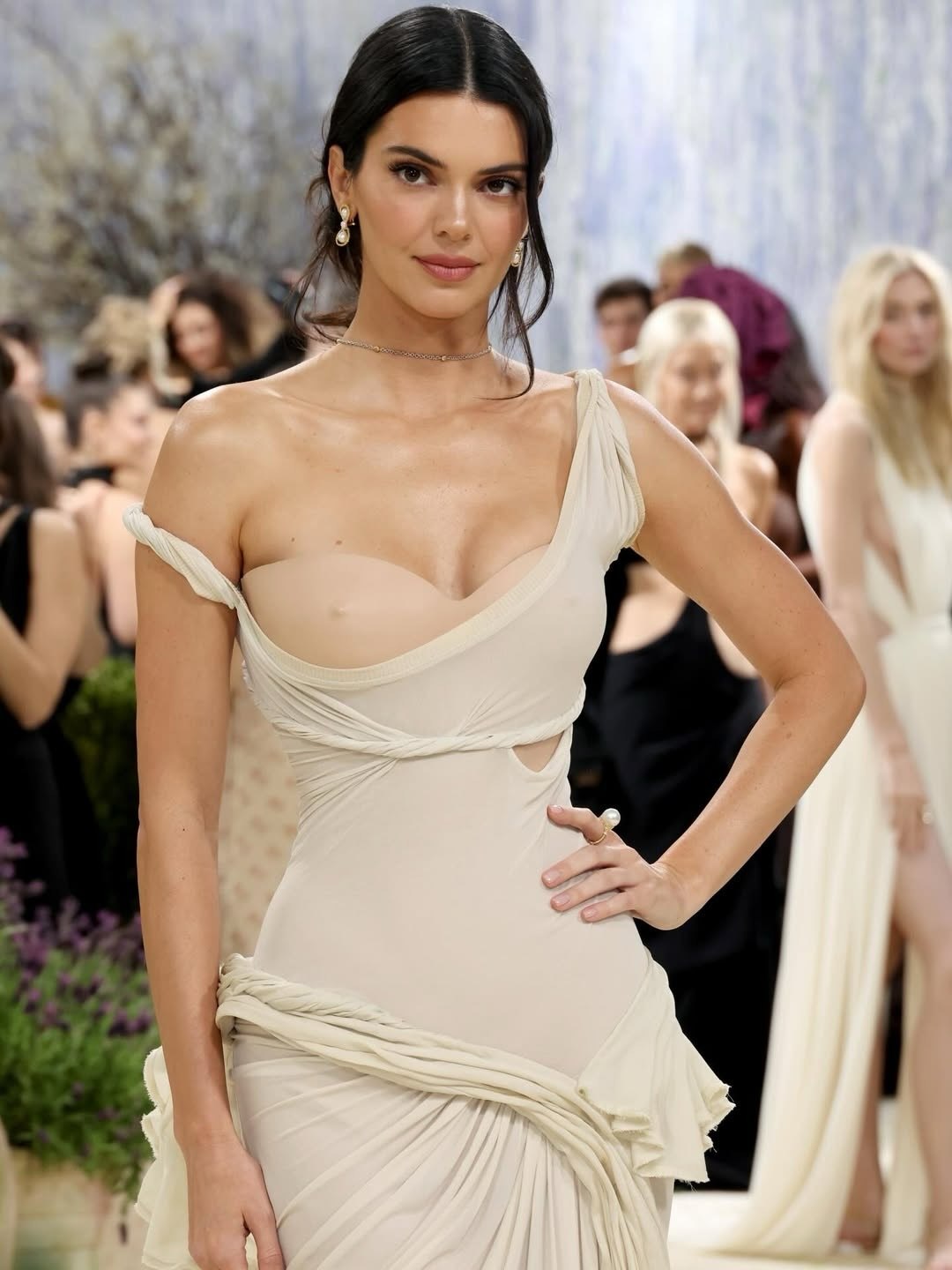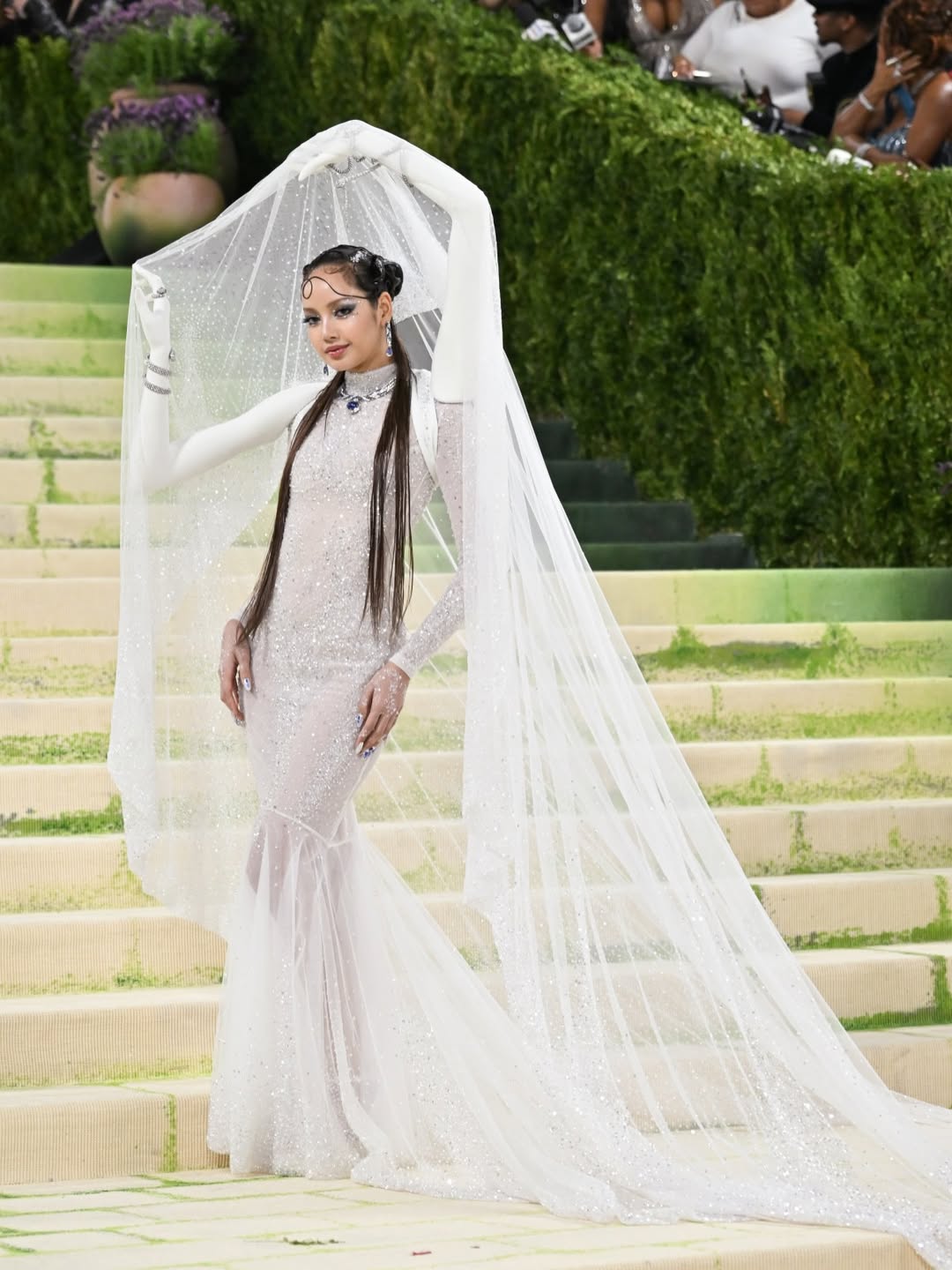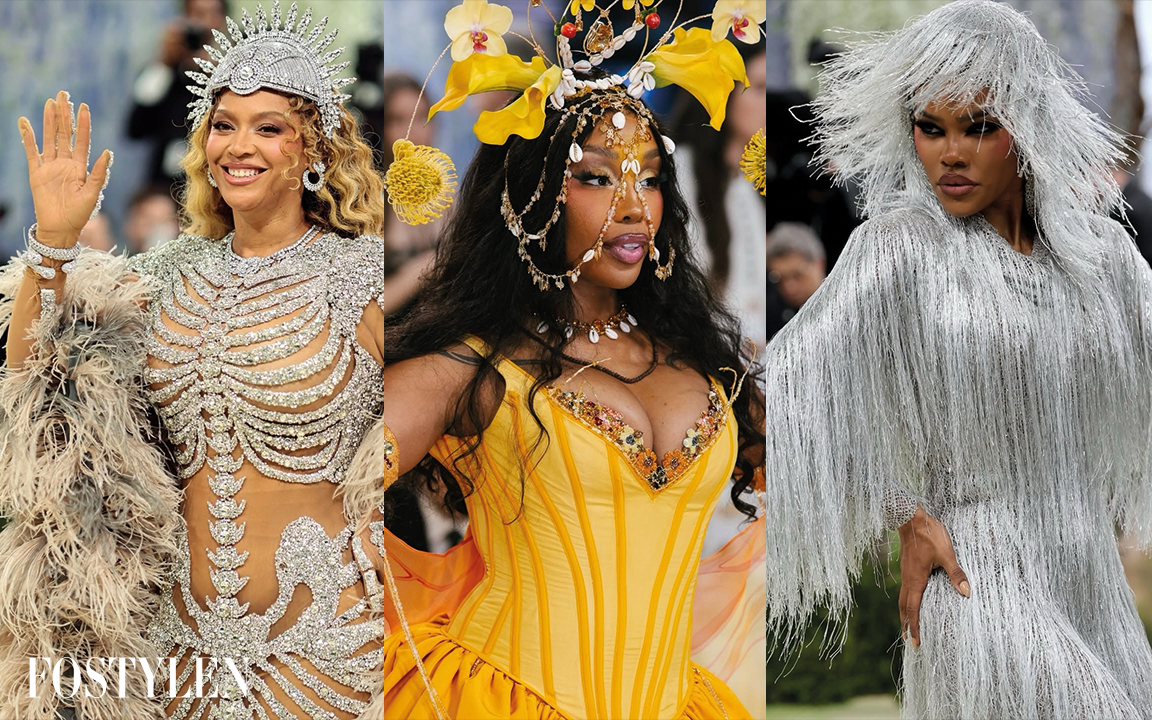
Last night in New York, the event that reliably sets the tone for the year ahead in fashion unfolded once again—the Costume Institute’s Met Gala 2026. The evening marked the opening of the museum’s major new exhibition, Costume Art, framed around a precise curatorial inquiry: where does fashion end and art begin, does that boundary exist at all, and how does clothing continuously engage with the human body within this ongoing exchange.
In this context, the body is presented across multiple states—protected, exposed, adorned, vulnerable, sanctified, even marked by trauma. That framework informed the evening’s dress code, effectively transforming the red carpet into a living exhibition.
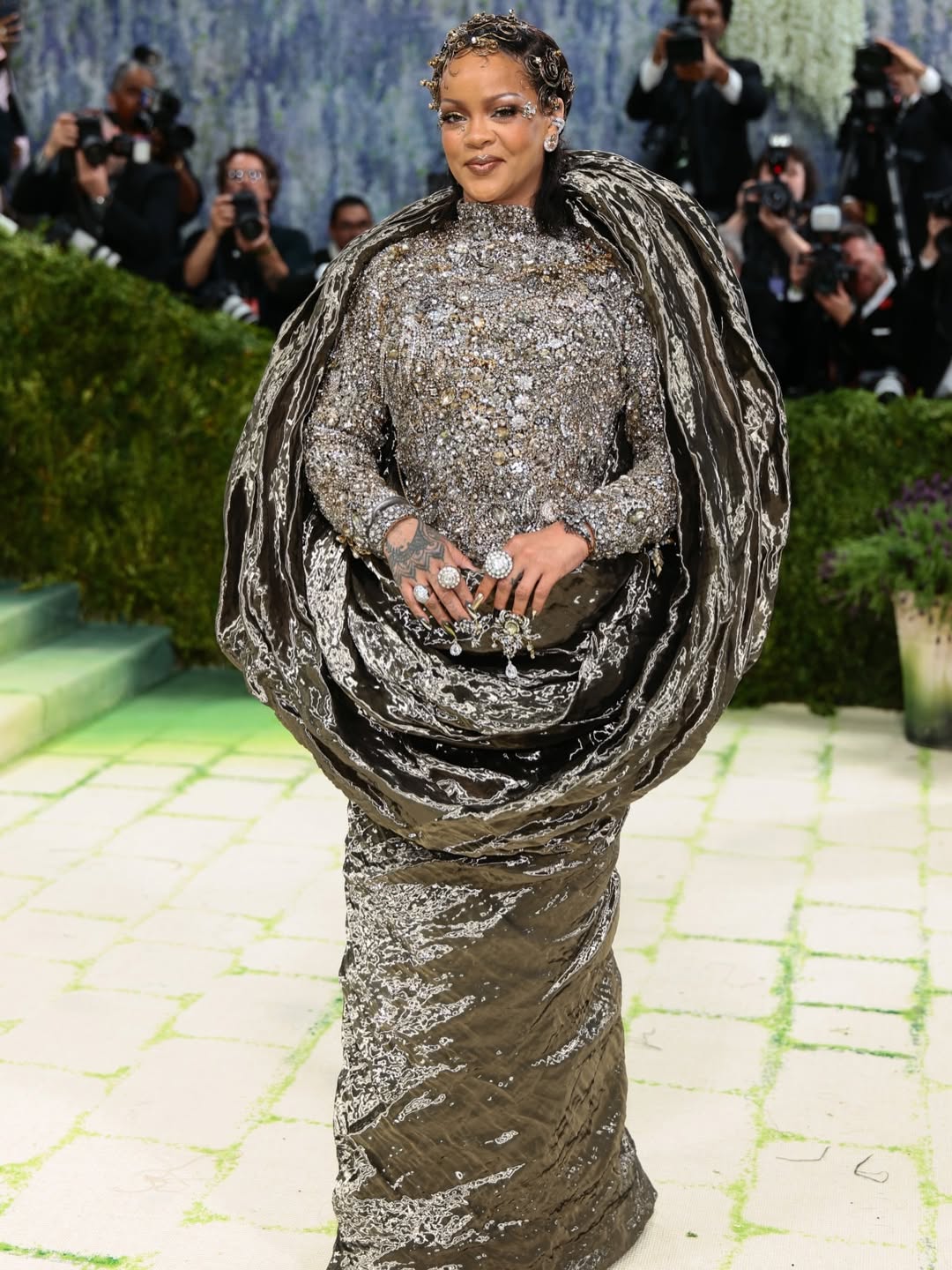
Guests approached dressing with the same intent as artists working a canvas. What emerged was a layered visual language—rich in references, reinterpretations, and deliberate citations.
Several looks drew directly from the legacy of Gustav Klimt. Gold-infused textures, ornamental density, and the flattened, decorative quality of composition were reimagined through silhouette and fabrication, echoing the visual codes of Viennese modernism and Klimt’s iconic portraiture.
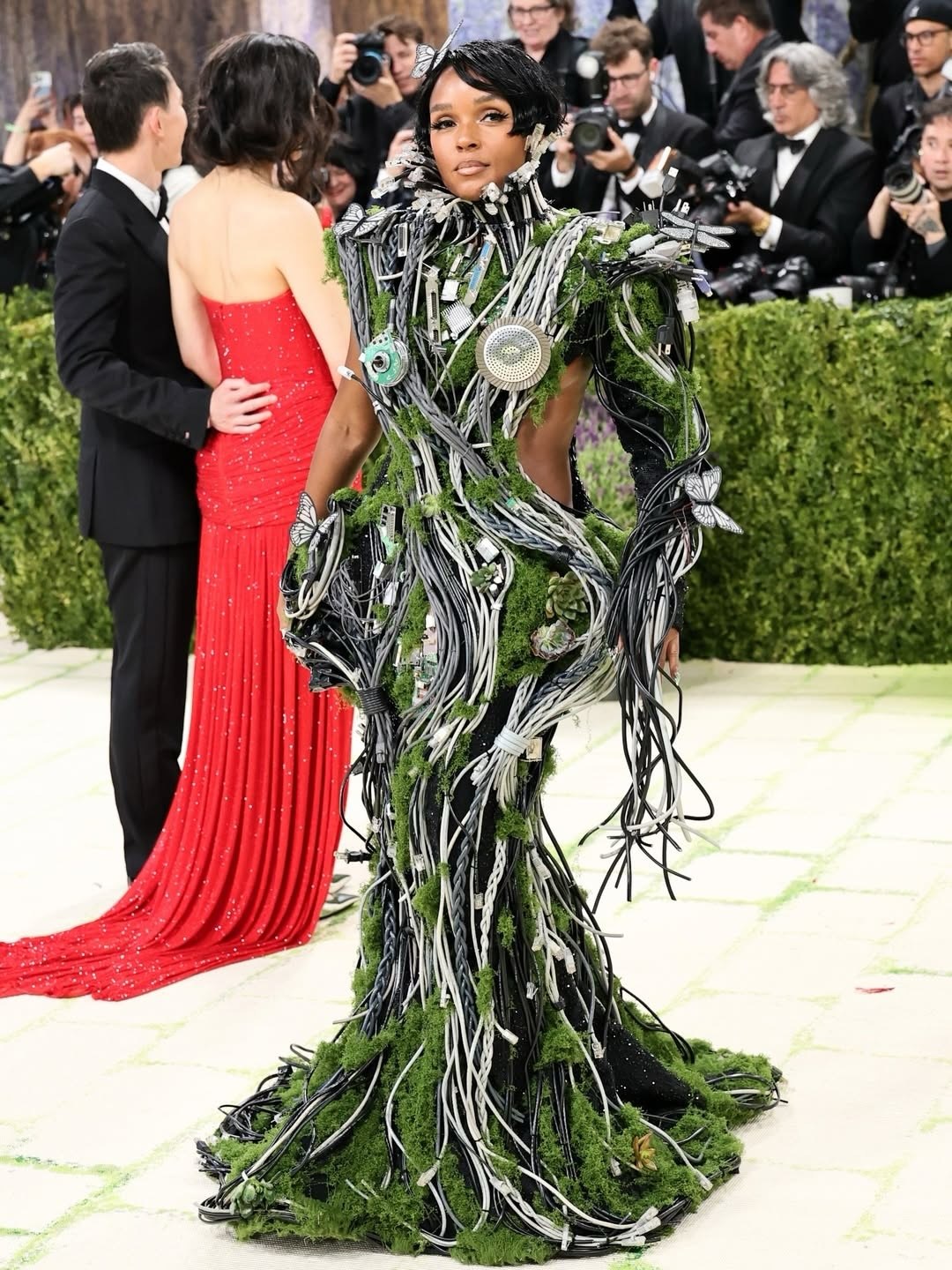
Late 19th-century painting found renewed expression through the lens of John Singer Sargent. His precision of line, sensitivity to bodily form, and controlled sense of drama translated into sharply constructed, architecturally clean silhouettes.
A surrealist undercurrent—referencing the work of Leonora Carrington—introduced a more theatrical dimension. Overscaled elements, kinetic details, and a sense of staged performance pushed the red carpet beyond static presentation.
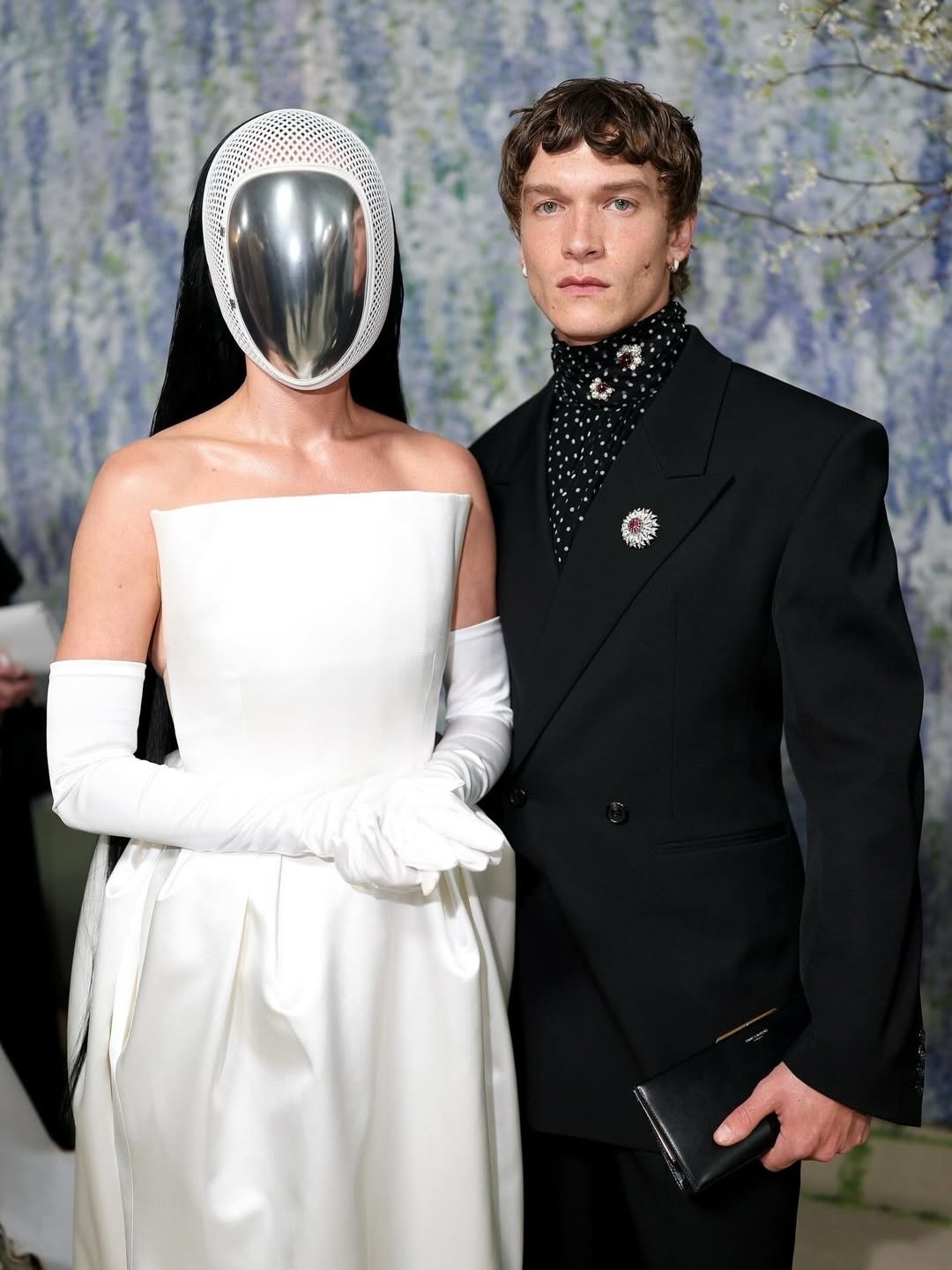
The emotional intensity of historical painting, particularly in the tradition of Paul Delaroche, surfaced in looks that engaged with vulnerability, control, and psychological tension. Here, emphasis shifted toward gesture, posture, and narrative implication rather than surface alone.
Classical sculpture formed another key reference point. Its balance, idealized proportions, and sculptural clarity were translated into contemporary silhouettes where fabric functioned as an extension of the body—shaping it, rather than simply covering it.
Among the standout appearances: Rihanna in Maison Margiela, Beyoncé in Olivier Rousteing, Nicole Kidman in Chanel, and Anne Hathaway in Michael Kors—each offering a distinct interpretation of the body as a cultural and visual construct.