Modern aesthetic medicine has long evolved beyond traditional cosmetology. Today, patients are looking not only for visible improvements but also for long-term health and active longevity. As a result, preventive medicine, personalized care, and the concept of longevity are becoming increasingly important, gradually shaping a new standard for the industry.
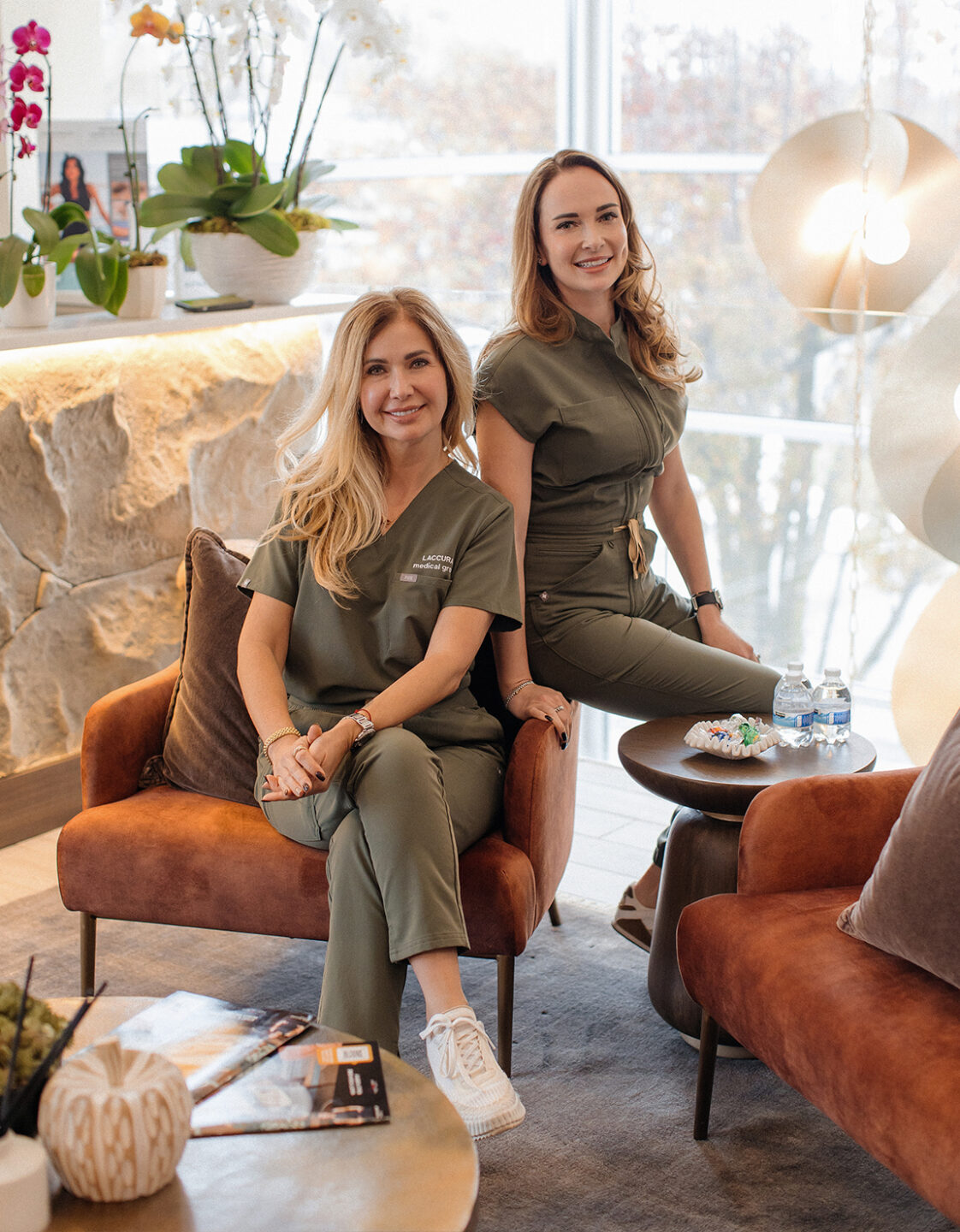
This philosophy is at the core of Laccura Medical Group, one of Chicago’s leading premium medical and wellness brands. The company combines aesthetic medicine, advanced anti-aging solutions, and evidence-based medical care, viewing beauty as the result of a healthy, well-functioning body.
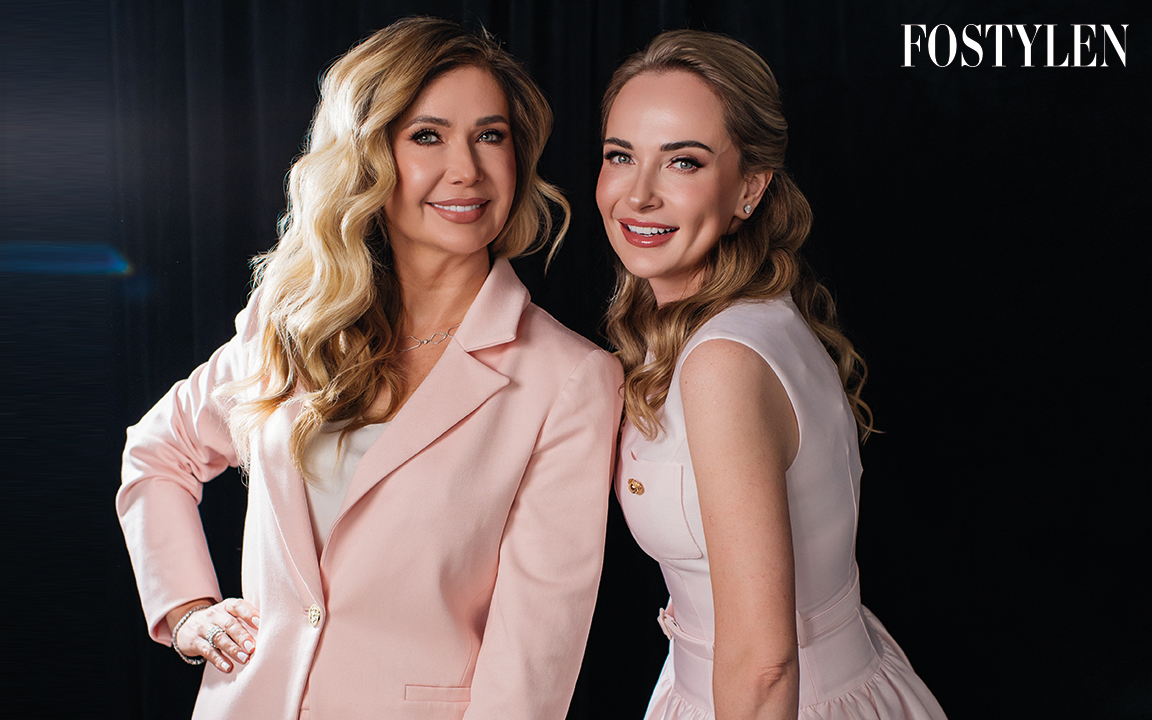
According to Laccura Medical Group founders Inna Hoffman and Oksana Krysko, the future of aesthetic medicine belongs not to quick fixes, but to comprehensive solutions that help people look and feel their best for years to come.
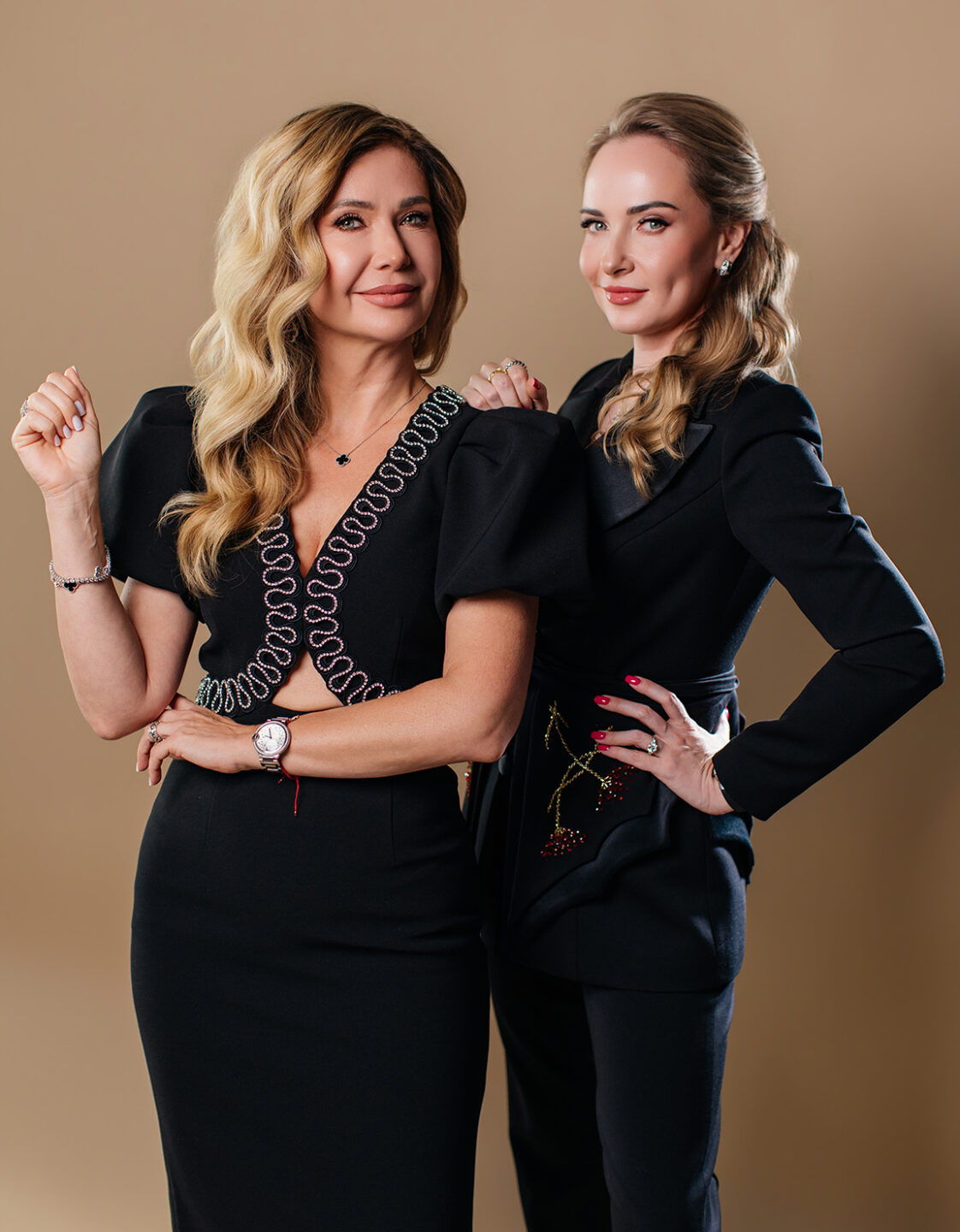
Oksana Krysko:
Today’s consumers are highly sensitive to superficiality. In the premium segment, a beautiful space or state-of-the-art equipment alone is no longer enough. Patients quickly recognize whether a brand is built on professionalism, expertise, and accountability.
Trust is established through consistency in every decision. It develops when the entire team operates within a shared philosophy, when patients feel honesty and safety, and when they understand that they are not being sold a procedure but guided toward the solution that best fits their needs.
Inna Hoffman:
We do not take a symptom-focused approach. For us, aesthetics is a reflection of the body’s internal condition.
That is why we do not begin with a procedure. We begin by understanding hormonal health, nutritional deficiencies, inflammatory processes, lifestyle habits, stress levels, and recovery quality.
Our goal is not to create a short-term visual effect, but to achieve results that look natural, harmonious, and sustainable over time.
Inna Hoffman:
Because many people attempt to solve an internal issue through an external intervention.
Without a solid medical foundation, aesthetic medicine often functions only as a temporary correction. If the underlying cause remains unaddressed, the body gradually returns to its previous state.
Modern anti-aging medicine requires an understanding of biochemistry, hormonal health, and the mechanisms of aging on a much deeper level. That is why a comprehensive approach is no longer an advantage—it has become a necessity.
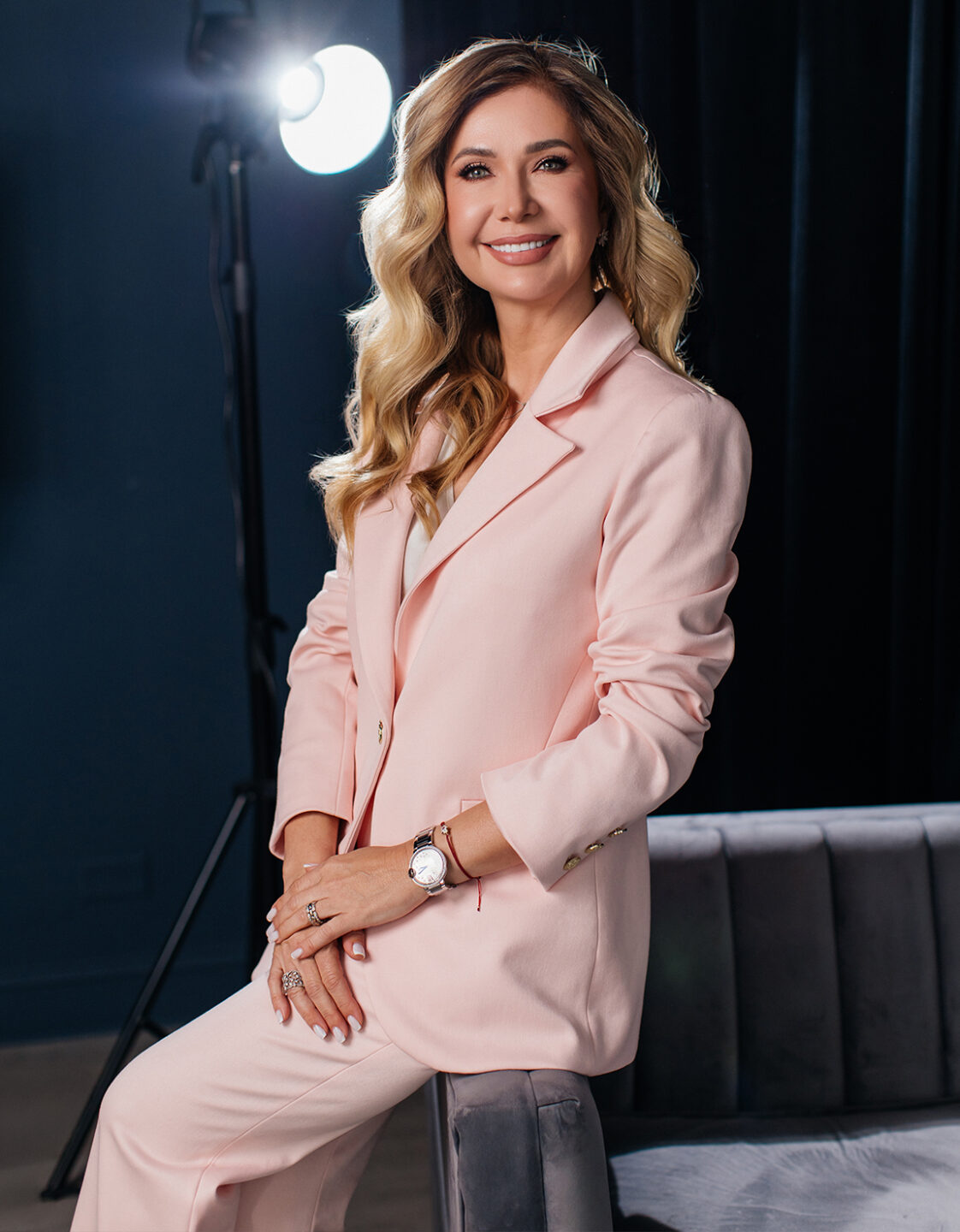
Inna Hoffman:
Today, anti-aging is first and foremost medicine.
The global market is rapidly moving toward longevity, preventive medicine, and health optimization. People want more than a younger appearance—they want to remain active, energetic, and healthy for longer.
As a result, aesthetics is becoming increasingly integrated into a person’s overall health strategy. The future belongs to an approach in which external results are directly connected to internal health.
Oksana Krysko:
In our view, the most overrated aspect remains the promise of quick visual results without comprehensive work on the body itself.
The industry often sells the feeling of instant transformation, but real medicine requires time, personalization, and a clear understanding of the root cause of a problem.
Today’s patients are becoming increasingly informed, which is gradually shifting the market away from aggressive marketing and toward professionalism, quality, and evidence-based outcomes.
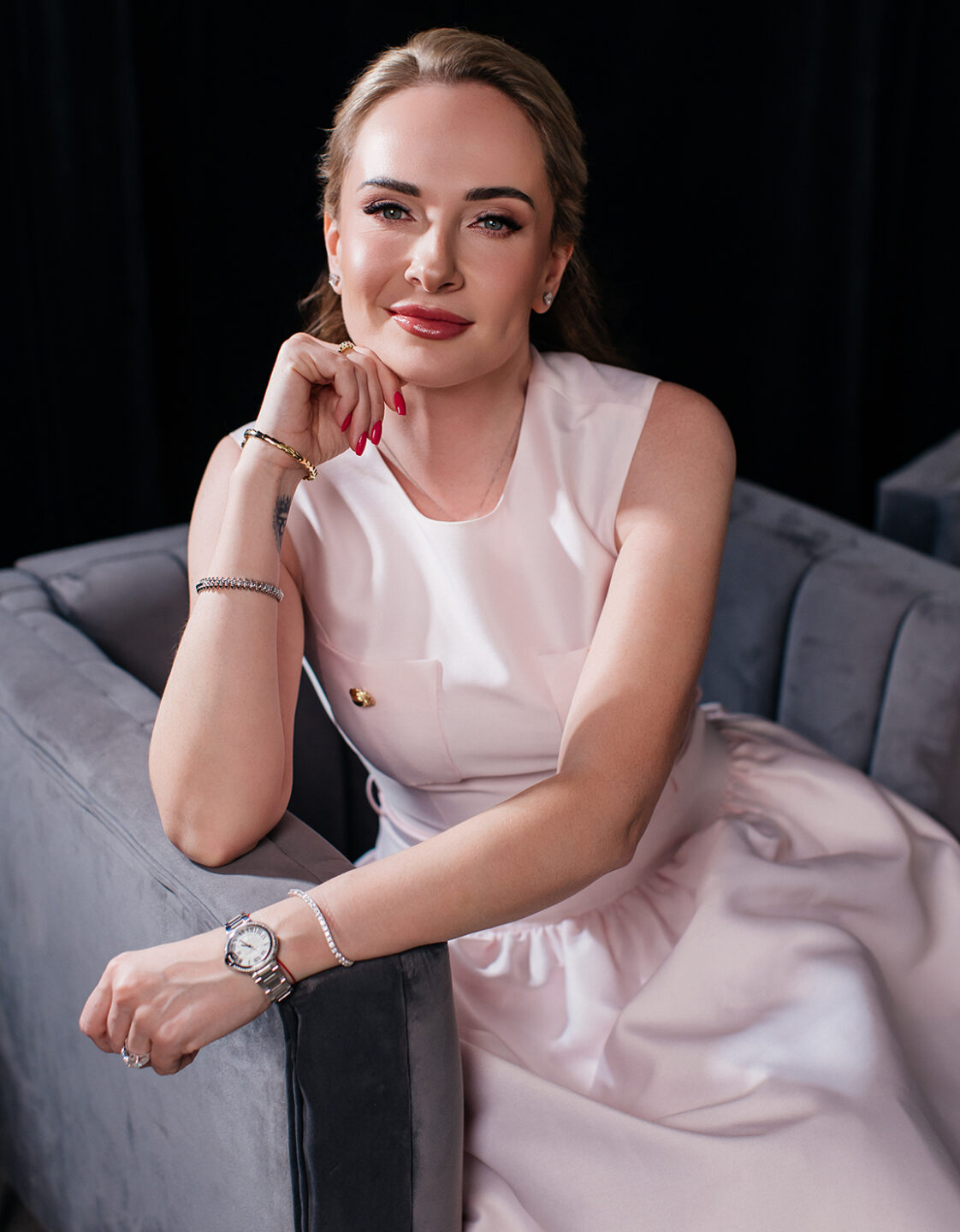
Oksana Krysko:
The transformation goes far beyond appearance—it changes quality of life.
When people begin focusing on their health, recovery, hormonal balance, and lifestyle, they not only look different, they feel different.
They experience greater energy, improved sleep, better concentration, and an overall sense of well-being. At that point, beauty is no longer a way to conceal problems—it becomes a natural reflection of inner balance and health.
That, in our opinion, is where the future of modern aesthetic medicine truly lies.