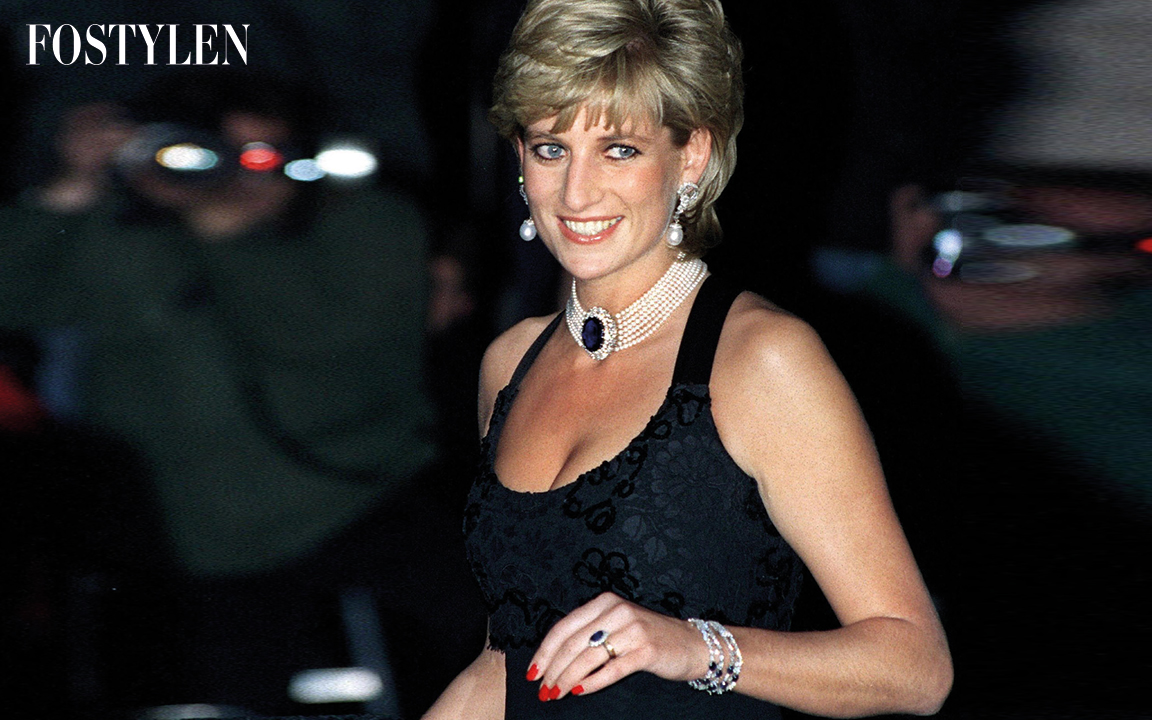
Had fate been kinder, Diana, Princess of Wales, would have celebrated her 65th birthday on July 1. Instead of candles on a birthday cake, nearly three decades have passed since her death—years that have only deepened the mythology surrounding one of the most influential women of the twentieth century.
Some people possess a kind of charisma that outlives the era they belonged to. Diana Spencer was one of them. Born on July 1, 1961, at Sandringham, she lived for only 36 years, yet her legacy has endured through changing generations, shifting royal narratives, and the relentless passage of time.
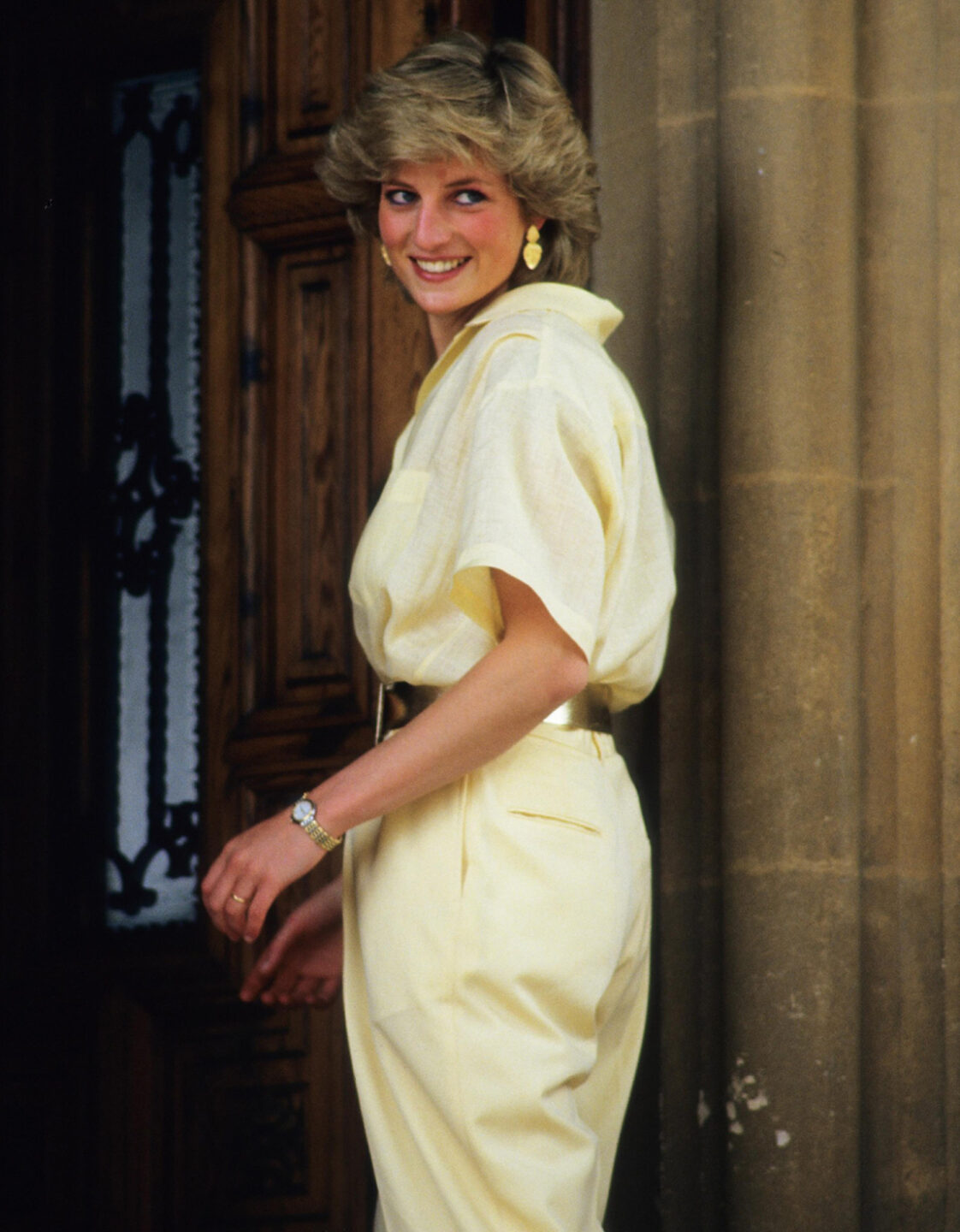
The world remembers Diana in the wedding gown with its 25-foot train, watched by more than 700 million viewers worldwide on July 29, 1981. But the woman history remembers truly emerged only after she stopped performing the role others had written for her.
She became the first member of the British royal family to publicly shake hands with an AIDS patient without wearing gloves—a moment that challenged fear and stigma at a time when such a gesture was considered revolutionary. She walked through active minefields in Angola, held children living with leprosy, and spent time with people experiencing homelessness in London shelters. These weren’t carefully orchestrated photo opportunities. They reflected a conviction that privilege demanded compassion, and that public service required proximity rather than distance.
For decades, it seemed there was little left to uncover about Diana. Yet recent months have brought a series of revelations that offer a more nuanced portrait of the woman behind the icon.
Paul Burrell, one of Diana’s former aides, has revisited the emotional toll of her marriage in newly discussed memoirs, describing how the deepest wounds often came not from public scandals but from the quiet erosion of her confidence. According to those closest to her, the then-Prince Charles could diminish her self-esteem with a single dismissive remark—a pattern that repeated throughout their relationship.
Researchers have also drawn renewed attention to a personal letter from the early 1990s that recently resurfaced, revealing Diana’s efforts to manage her mental health with prescribed antidepressant medication. The letter adds another layer to the well-documented struggles she faced with depression and bulimia—battles largely fought in private, behind the immaculate knitwear, dazzling public appearances, and magazine covers.
Another chapter receiving fresh examination is her complicated friendship with Sarah Ferguson, Duchess of York. Once inseparable, the two women shared genuine affection and humor before their relationship gradually deteriorated. Recent biographical research suggests the reasons behind their estrangement were considerably more complex than previously understood.
Even today, many questions remain unanswered. The U.S. National Security Agency accumulated a file exceeding one thousand pages related to Diana. Despite multiple declassification requests over the years, the overwhelming majority of those documents remain sealed from public view.
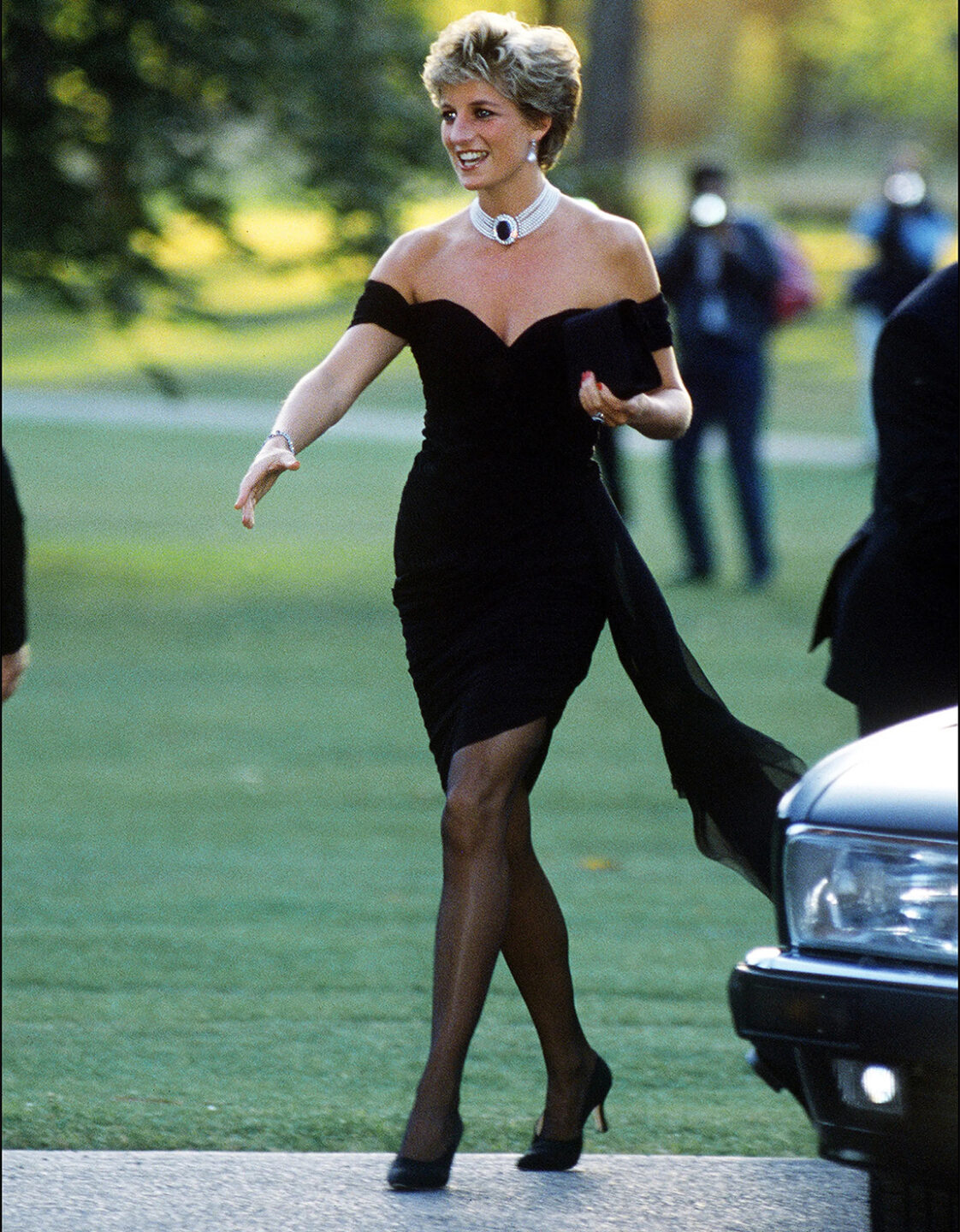
In an era when philanthropy is often intertwined with image-making, Diana’s generosity stood apart because it rarely depended on publicity.
She wrote letters to people she had met only once. She telephoned hospital patients after visiting them simply to ask how they were recovering. She has often been described as the most physically affectionate royal of the modern era—not as a figure of speech, but quite literally. She embraced people, held their hands, sat beside them instead of above them, and treated human connection as something that transcended status.
Behind the fairy-tale wedding and the iconic Buckingham Palace balcony photographs was a woman who famously admitted that “there were three of us in this marriage, so it was a bit crowded.”
Infidelity, divorce, relentless media scrutiny, and the growing belief that she had become the world’s most photographed target unfolded before a global audience. Few public figures have experienced such profound personal heartbreak with so little room for private grief.
Perhaps that is why the loss the world experienced on August 31, 1997, in Paris’s Pont de l’Alma tunnel still feels deeply personal to millions of people who never met her.
She never had the chance to grow old in public. She never met her grandchildren. She never reached the quieter chapter of life that so many hoped she would find.
Instead, Diana remains forever suspended in memory—young, compassionate, unfinished.
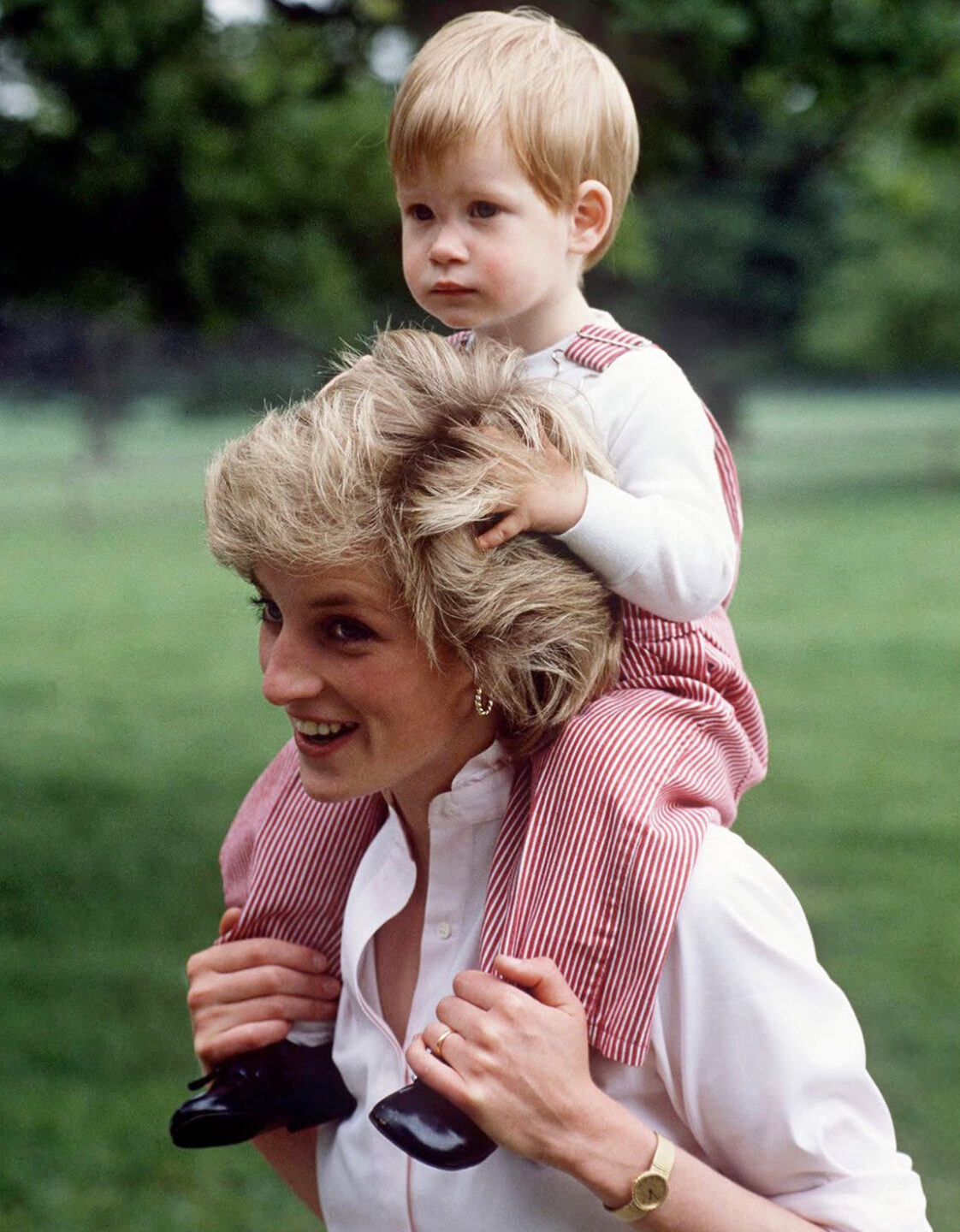
The world lost far more than a princess.
It lost someone who made sincerity fashionable in an institution built on protocol. Her influence continues to resonate in Prince Harry’s humanitarian work, in the way Prince William speaks openly about mental health and raises his own children, and even in the gestures of Catherine, Princess of Wales, whose posture, warmth, and quiet empathy are still compared to Diana’s by royal observers.
This summer, as Diana would have turned 65, perhaps the most meaningful tribute is not another nostalgic photograph or documentary, but the lesson she left behind: to meet people eye to eye, to embrace without hesitation, and to understand that vulnerability can be one of the greatest forms of strength.
Diana Spencer, Princess of Wales
July 1, 1961 – August 31, 1997
She would have been 65.